Is The PEI Ferry Worth It?
A plain comparison of the Wood Islands ferry and the Confederation Bridge: real fares, sailing schedules, and which arrival route sets up your PEI tours better.
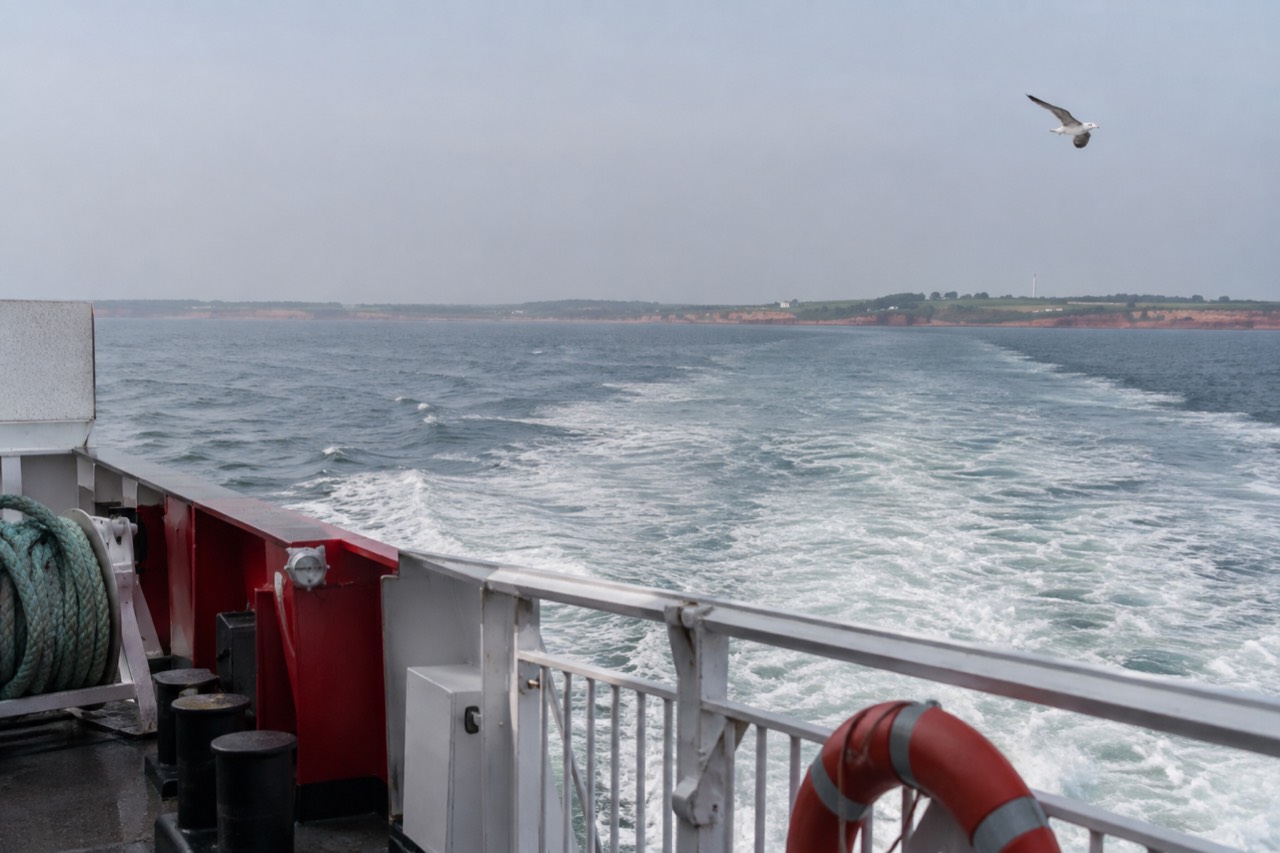
Is The PEI Ferry Worth It?
For most travellers coming from Nova Scotia, yes: the Wood Islands ferry costs $43 for a standard vehicle with all passengers included, takes 75 minutes, and travelling from Nova Scotia to PEI on standby costs nothing. It only makes sense from the Nova Scotia side, though. Arriving from New Brunswick, the Confederation Bridge is faster, runs 24 hours, and costs $20 for a car, collected only when you leave the Island.
The honest answer depends on which direction you are arriving from and what you plan to do first on the Island. The ferry is not a commuter service trying to compete with the bridge on speed. It is a 75-minute crossing of Northumberland Strait between Wood Islands, on PEI's southeastern corner, and Caribou, Nova Scotia, and it drops you in a part of the Island the bridge traffic never sees. That geography matters more than any fare.
The fare itself is unusually good right now. The operator's published fare for a standard vehicle up to 20 feet long and 7 feet high is $43, passengers included, and that price is the same whether you book a round trip or a one-way reservation. The reason is a federal 50 percent fare cut that took effect in August 2025, which halved what the crossing cost for years before that. Plenty of older travel articles still quote roughly $86 for a car with passengers. That number is dead.
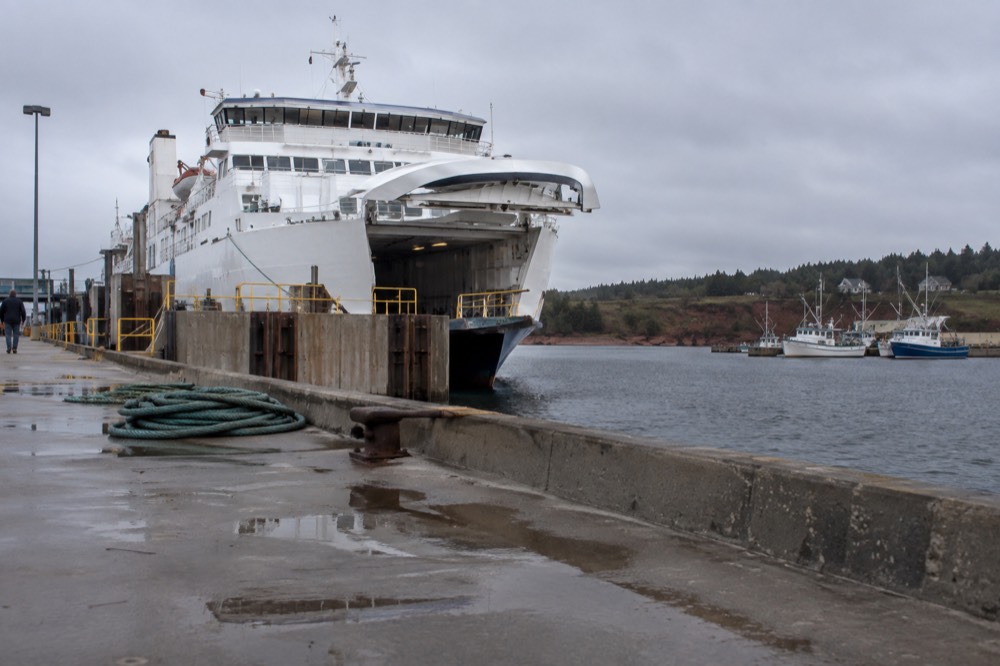
There is also a quirk in how the fare is charged that genuinely surprises people. Round-trip and one-way fares are sold from the Caribou, Nova Scotia to Wood Islands, PEI starting leg. Standby travel from Nova Scotia to Prince Edward Island is free of charge, boarding subject to availability. In other words, if you arrive by ferry on standby and leave the Island by bridge, you pay the $20 bridge toll on your way out and nothing for the sailing in. It is one of the better arrival deals in Atlantic Canada, if your dates are flexible and your vehicle fits.
If your trip is built around the Island's most famous sights, the tours below are the ones most ferry arrivals end up comparing, because they all start from Charlottetown, about 45 minutes up the road from Wood Islands.
What The Ferry Costs, And The Direction Trick That Makes It Cheaper
A standard vehicle with all its passengers pays $43 for the crossing, reserved either way. Foot passengers pay $11.50 for an adult, seniors and students $10, youth $8, and children 5 and under travel free. The direction trick: standby travel from Nova Scotia to PEI is free, so a flexible traveller can sail in for nothing and pay only the $20 bridge toll when they drive off the Island later.
The fare table below is drawn from the operator's own published 2026 fares page. Note that a round trip costs exactly the same as a one-way reservation, which tells you the operator prices the crossing as a single paid leg from the Nova Scotia side.
| Item | Fare |
|---|---|
| Standard vehicle (up to 20 ft, 7 ft high), passengers included | $43 |
| Motorcycle | $22.50 |
| Bicycle | $11 |
| Adult foot passenger (14 to 59) | $11.50 |
| Senior foot passenger (60+) | $10 |
| Student with ID | $10 |
| Youth (6 to 13) | $8 |
| Child (0 to 5) | free |
| Standby, Nova Scotia to PEI | free, subject to availability |
Reservations are not mandatory, but the operator recommends them strongly, and for good reason: a standby crossing is not guaranteed boarding. Standby boarding is subject to availability based on vehicle type or height, not necessarily first-come, first-served. If you are sailing in late July with a roof box on a hot Saturday, book the reservation.
One planning note worth adding: fares are non-refundable after the first departure date, so if your itinerary is loose, build a little slack into the day you sail. The crossing itself is the easy part. The schedule, which we cover further down, is where the planning effort actually goes.
Once you are off the boat at Wood Islands, you are in Points East Coastal Drive country, and the fastest route into Charlottetown passes straight through it. Many travellers use the arrival afternoon for the southeastern corner and save the big sightseeing day for a proper guided tour the next morning.
The single most booked tour among visitors who plan their Island time around the Anne story is the Green Gables House, Pickup Included tour, at $87.61 per person for 4 hours, rated 4.6 across 505 reviews. It runs from Charlottetown with hotel pickup, which matters after a ferry morning: you do not need to drive back out to Cavendish yourself, and the pickup means the tour works on your first full day without any logistics. If the sailing and the sightseeing are the two anchors of your trip, that tour is the natural second anchor.
Ferry Versus Bridge: Which Arrival Sets Up Your Tour Plans Better
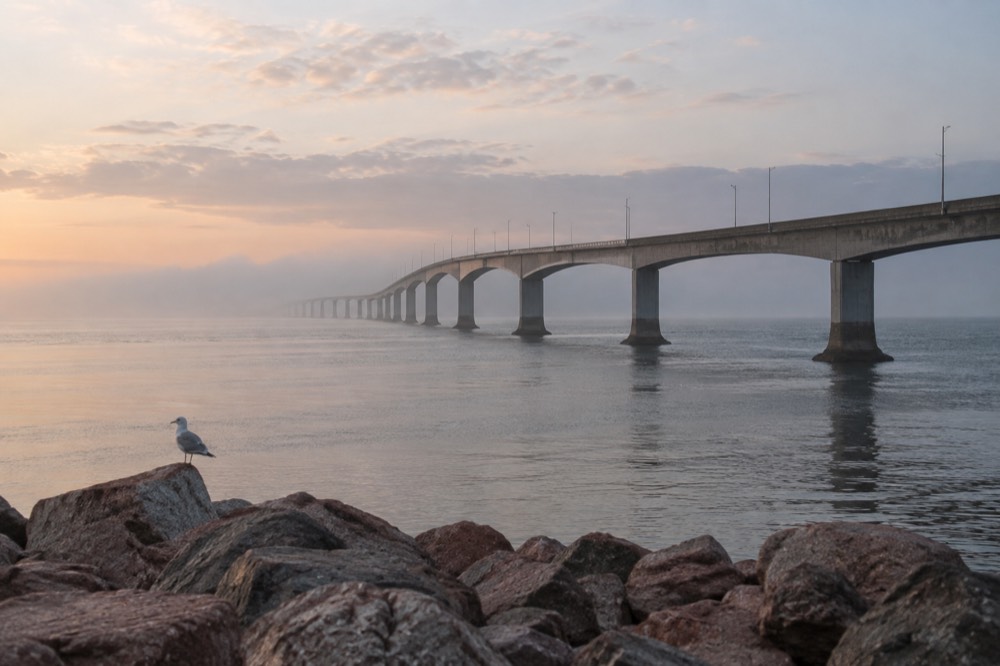
The bridge wins on speed and schedule: 12.9 kilometres, about 12 minutes of driving, open 24 hours, $20 per car paid only when leaving. The ferry wins on experience and geography: it lands you on PEI's southeastern coast, near Points East, lighthouses and Victoria-by-the-Sea, while the bridge lands you in Borden-Carleton, closest to Charlottetown and Cavendish. Choose by what you tour first, not by price.
Price is nearly a wash. The bridge charges $20.00 for a two-axle vehicle, round-trip basis, collected only when leaving the Island at the Borden-Carleton toll plaza, a rate that took effect in August 2025 after a federal cut from the old $50.25. The ferry charges $43 for the car and everyone in it, or nothing at all if you arrive on standby from Nova Scotia. For a family of four in one car, the ferry is cheaper than four bridge crossings would be, and the bridge toll is per vehicle anyway, so for a solo driver the bridge is the cheaper of the two paid options.
The real difference is where each one puts you. The bridge deposits you at Borden-Carleton in the Island's south-central waist, roughly 45 minutes from Charlottetown and under an hour from the Cavendish shore and Green Gables. The ferry lands you at Wood Islands, on the southeastern tip, close to the lighthouse at Point Prim, the village of Victoria-by-the-Sea, and the quieter beaches of Points East Coastal Drive. For a deeper comparison of the two crossings as pure costs, our piece on ferry or bridge costs breaks down the numbers for different party sizes.
| Factor | Wood Islands ferry | Confederation Bridge |
|---|---|---|
| Crossing time | 75 minutes | roughly 12 minutes of driving |
| Hours | scheduled sailings, seasonal | 24 hours, 7 days a week |
| Car fare | $43, passengers included | $20, per vehicle |
| Pay direction | NS to PEI leg, or free standby | only when leaving PEI |
| Season | 1 May to 20 December 2026 | year-round |
| Lands you near | Points East, Victoria-by-the-Sea | Borden-Carleton, central shore |
| Best for | Nova Scotia itineraries, flexible dates | New Brunswick routes, tight schedules |
A common and sensible pattern is to use both. Sail from Nova Scotia into Wood Islands, tour the eastern half of the Island first, work your way west over a few days, and leave over the bridge, paying the single $20 toll on the way out. That loop wastes no backtracking and gives you the crossing as an experience rather than a chore. Travellers planning the whole arrival from outside the region should start with our guide on how to get to Prince Edward Island, which covers flights into Charlottetown as a third option.
One tour that fits the ferry-side geography especially well is the Seafood, Wine and Chocolate Tasting tour out of Victoria-by-the-Sea, a 5-hour experience at $106.73 per person. It is a new listing with no reviews yet, so there is no rating history to lean on, but the village sits a short drive west of Wood Islands and the tour is one of the few culinary options on that side of the Island.
When The Ferry Runs, And When It Does Not
The 2026 season runs 1 May to 20 December, and it is a seasonal crossing, not a year-round one. From 15 June to 17 October there are 8 sailings each way daily, departing roughly every 90 minutes from 7:00 in the morning to 6:30 in the evening. From 18 October to 20 December the schedule drops to 4 sailings each way daily. Outside the season, the bridge is the only road option.
That schedule shape is the ferry's biggest practical weakness for a short trip. The bridge operates around the clock, so a late-night arrival from mainland Canada is never a problem on the western route. The ferry, by contrast, stops sailing in the early evening, and in the shoulder months the gaps between sailings stretch out. Miss a boat in mid-October and you may be waiting hours. Everything else covered here is indexed on Prince Edward Island Tours.
| Period | Sailings each way | First and last departures |
|---|---|---|
| 15 June to 17 October 2026 | 8 daily | 07:00 and 18:30 |
| 18 October to 20 December 2026 | 4 daily | reduced schedule |
| 21 December 2026 onward | none | season closed |
The season start of 1 May 2026 is reported by CBC News rather than published on the operator's own schedule page, so treat it as a close approximation and confirm against the operator's site when you book. The end date, 20 December 2026, is the operator's own published figure. Weather delays happen on this crossing in the shoulder months, and the strait can be genuinely rough in November, so if you are sailing late in the season, keep a flexible plan for the day on either side.
What The Crossing Itself Is Like, And What To Do On The Wood Islands Side
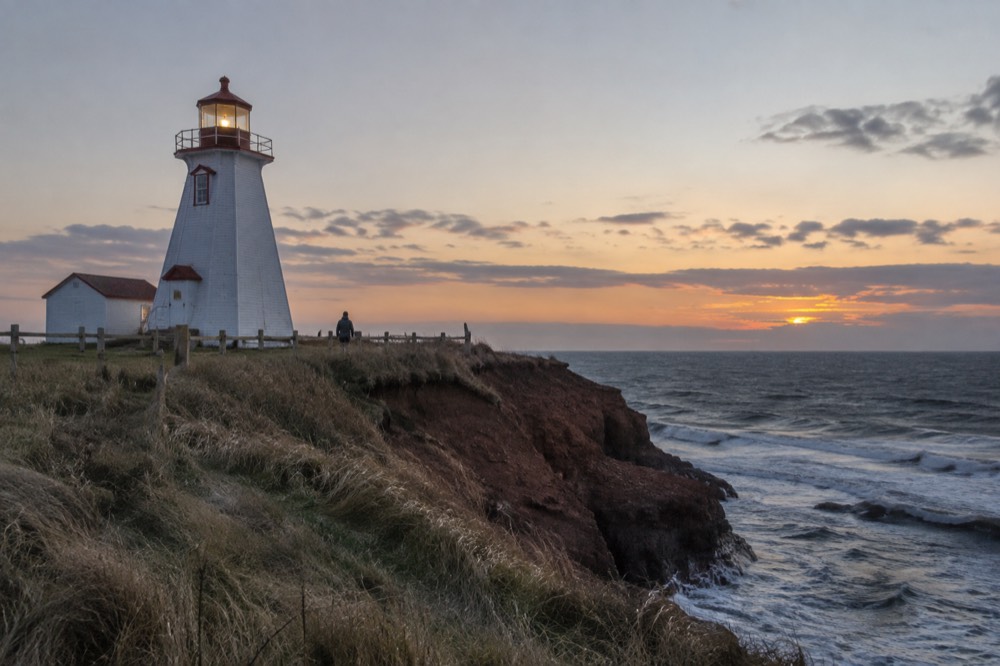
The sailing is a genuine 75-minute sea trip, not a commuter hop: open decks, island and mainland coastlines on either side, and a real chance of seals and seabirds on the strait. On the PEI side you land minutes from the Wood Islands Lighthouse, within a short drive of Point Prim, and about 45 minutes from Charlottetown. Treat the arrival afternoon as touring time, not dead time.
The Wood Islands Lighthouse is one of the Island's community museum lighthouses, typically open to visitors through the summer season, and Point Prim, the Island's oldest lighthouse, built in 1845, sits on the point just west of the ferry terminal. Both are the kind of stop that costs an hour and delivers a disproportionate share of the photos. If your sailing is mid-afternoon, you can comfortably do one lighthouse and still reach Charlottetown for dinner.
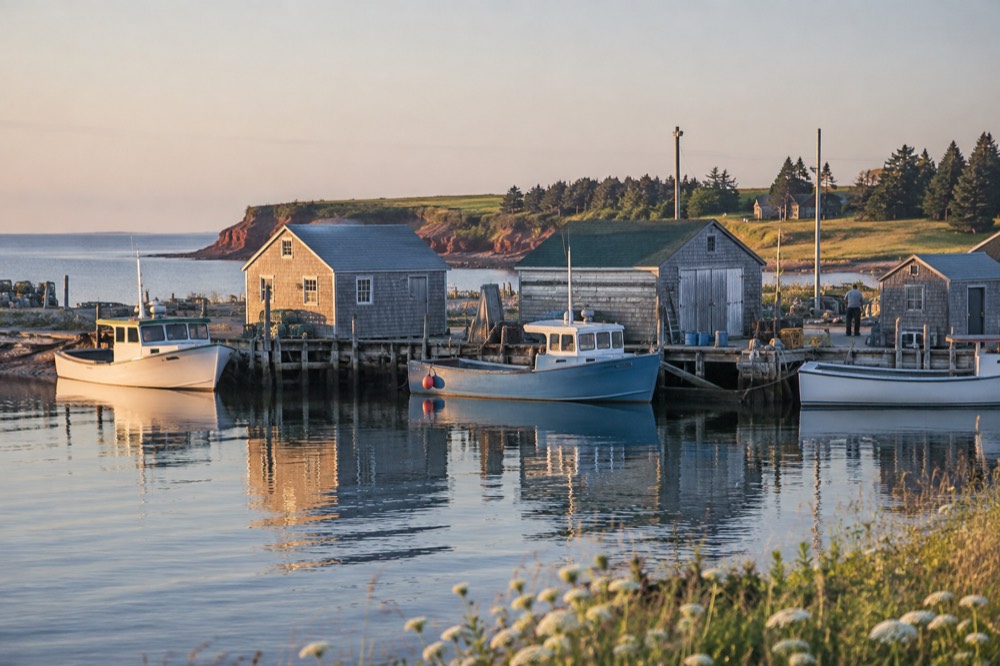
For travellers who want a structured version of the eastern shore rather than self-driving it, the private 7-Hour Private Lighthouse Tour at $684.52 per group for up to six people covers this coast in depth, though most ferry arrivals with only an afternoon simply pick one stop and drive on. The full lighthouse coverage, including which towers are open in which months, lives in our guide to Prince Edward Island lighthouse tours.
The crossing is also the one leg of an Island trip where the journey itself is the attraction. The bridge is an engineering spectacle, 12.9 kilometres over ice-covered water, but you experience it at highway speed from inside a car. The ferry gives you an hour and a quarter on the water, a deck to walk, and the sight of the Island rising out of the strait. Families with children and photographers tend to find this worth the fare on its own; business travellers on a clock do not.
Who Should Skip The Ferry
Skip the ferry if you are arriving from New Brunswick or Quebec, if you are on a tight one-day itinerary, or if you are travelling between late December and April when the crossing does not run at all. The bridge is faster, always open, and lands you closer to Charlottetown and Cavendish. The ferry is a detour of several hours for anyone not already on Nova Scotia's north shore.
The geography is blunt about this. Caribou, the Nova Scotia terminal, sits on the province's north shore, reached most naturally from Pictou, New Glasgow or the Cabot Trail side of Nova Scotia. Coming from Moncton, Halifax via the interior, or anywhere west, you add significant driving to reach Caribou, and the 75-minute crossing does not repay that detour unless the sea time is something you specifically want.
Timing matters just as much. PEI's tour inventory runs on a May-to-October clock, with November through April accounting for about 14 percent of annual non-resident visitor spending, and the ferry stops entirely on 20 December. A winter or early-spring trip is a bridge trip by default. For help matching your dates to what is actually open, our guide to the best time to visit Prince Edward Island lays out the season month by month.
One more group should think twice: travellers whose entire PEI stay is a single day. A ferry leg in each direction consumes close to four hours of a short day including loading and waiting, and the bridge crossing takes minutes. On a one-day visit, every hour belongs to the Island, not to the strait.
The Verdict, And How To Book The Rest Of Your Island Time
Take the ferry if you are coming from Nova Scotia, if your dates are flexible enough to use the free standby direction, or if a 75-minute sea crossing is something you want from the trip itself. Take the bridge if you are coming from New Brunswick, travelling in winter, or on a schedule. Either way, plan your first touring day around where you land: Points East for ferry arrivals, Cavendish and Charlottetown for bridge arrivals.
The ferry is worth it for a large share of visitors, but it is worth it as an experience and a geography choice, not as a money-saving move. The price gap between $43 with passengers included and $20 per car is small, and both numbers are recent cuts that most comparison articles have not caught up with. What the ferry actually sells is the crossing, the eastern shore, and the option to arrive for free on standby.
Whatever crossing you choose, the tours that fill the rest of the itinerary book up fastest in July and August, when Island hotel occupancy runs close to full. Here again are the three most relevant options for a trip anchored on Charlottetown.
Common Questions About The PEI Ferry
Is The PEI Ferry Worth It?
Yes, if you are arriving from Nova Scotia, want the 75-minute sea crossing, or can use the free standby direction from Caribou to Wood Islands. No, if you are coming from New Brunswick, travelling between late December and April, or on a tight schedule, where the 24-hour Confederation Bridge is the better fit at $20 per car paid on departure.
How much does the PEI ferry cost for a car?
$43 for a standard vehicle up to 20 feet long and 7 feet high, with all passengers included. That fare is the same for a one-way reservation or a round trip, because the paid leg is the Nova Scotia to PEI direction. A motorcycle is $22.50 and a bicycle is $11.
Can you take the ferry to PEI for free?
Yes, in one direction. Standby travel from Nova Scotia to Prince Edward Island is free of charge, but boarding is subject to availability and not guaranteed. If you need a guaranteed spot on a specific sailing, book a reservation, which is the paid option.
How long does the ferry crossing take?
75 minutes between Wood Islands, PEI and Caribou, Nova Scotia. In peak season there are 8 sailings each way daily between 07:00 and 18:30, so the frequency is reasonable, but the last boat leaves in the early evening and late-night arrivals are not possible on this route.
When does the PEI ferry season start and end?
The 2026 season runs from 1 May to 20 December. From 15 June to 17 October there are 8 daily sailings each way; from 18 October the schedule reduces to 4 daily sailings until the season closes. Outside these months the Confederation Bridge is the only road link.
Is the ferry cheaper than the bridge?
It depends on your party and direction. The bridge charges $20 per vehicle, paid only when leaving the Island. The ferry charges $43 for a vehicle with all passengers included, or nothing on standby from Nova Scotia. For a car with several people sailing from Nova Scotia, the ferry can be the cheaper leg; for a solo driver, the bridge is.