Is PEI More Irish Or Scottish?
The honest answer to PEI's most-asked heritage question: how Scottish and how Irish the Island really is, and where you can see each side today.
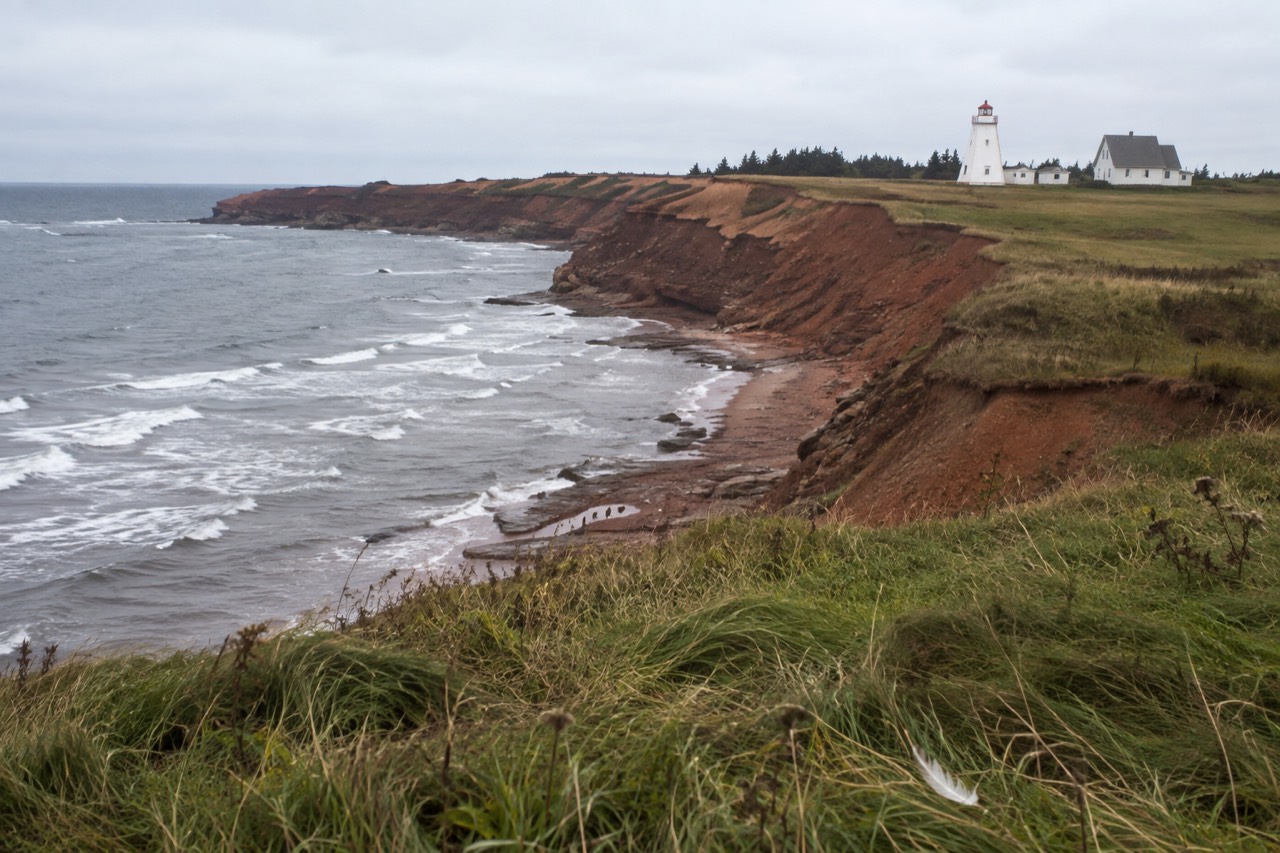
Is PEI More Irish Or Scottish?
The honest answer is that Prince Edward Island is both, and the two are so interwoven that no single label wins. Scottish settlement shaped the Cavendish district and its farming villages, while Irish families put down roots across Charlottetown and the western parishes, and the Island's fiddle music, place names and kitchen-party tradition draw on the two cultures together rather than picking one.
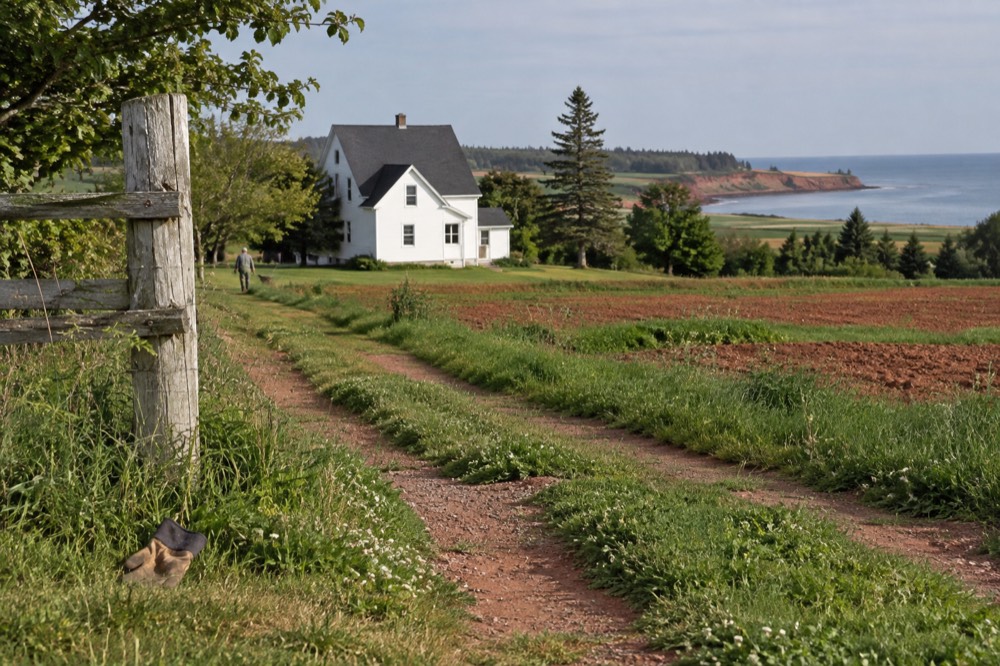
The question arrives constantly in search boxes and it is easy to see why. The Island looks like a postcard of both countries at once: green fields running to red cliffs, small parishes, and a capital city where live music pours out of pubs on a summer evening. Visitors who know Scotland see the Highlands in the north shore's headlands. Visitors who know Ireland hear the accent, watch a kitchen party, and decide the Irish side won.
Neither reading is wrong, and neither is complete. The Island's settler history is a layered one, and the culture that visitors actually encounter, the music, the storytelling, the food, is a blend that Islanders have made their own. This article walks through what each strand contributed and where you can still see it, so you can settle the argument with something better than a guess.
The comparison matters for trip planning too. The villages, churches and heritage sites tied to each tradition sit in different corners of a province that is only 224 kilometres end to end, so a day of Scottish-flavoured sightseeing and a day of Irish-flavoured wandering can fit inside a single long weekend. Tourism PEI's own framing is that any Island location is within two hours of Charlottetown, which makes the whole question comfortably explorable from one hotel base.
There is a third strand worth naming before going further, because it keeps the debate honest. The Island's oldest communities are Mi'kmaq, whose presence long predates any Gaelic arrival, and later waves of English, Acadian French and Lebanese settlers all left marks on the place names and the food. So the Irish-versus-Scottish framing is really a question about which of two dominant Celtic inheritances a visitor notices first, not a complete census of who built the Island.
If you want the argument settled by experience rather than by article, three tours cover the ground well: the Small-Group Anne Tour, Pickup Included, which spends 4 hours in the Cavendish countryside for $114.37 per person and rates 4.6 across 375 reviews; the North Shore Bus Tour, No Pickup, a 4-hour run at $106.73 per person rated 4.8 from 10 reviews; and the Self-Guided Audio Walking Tour of Charlottetown at $9.57 per person, rated 4.8 from 9 reviews, for the city's Irish-and-Scottish street-level story.
Which Settlers Shaped The Island's Villages And Place Names?
Scottish immigrants were among the Island's earliest and most influential settler groups, and their footprint is still legible in the farming districts north of Charlottetown, especially around Cavendish and the Cavendish countryside that Lucy Maud Montgomery wrote about. Irish settlement followed and concentrated around Charlottetown and in western parishes, giving the capital its particular character and adding a second Celtic layer to the Island's place names, churches and accents.
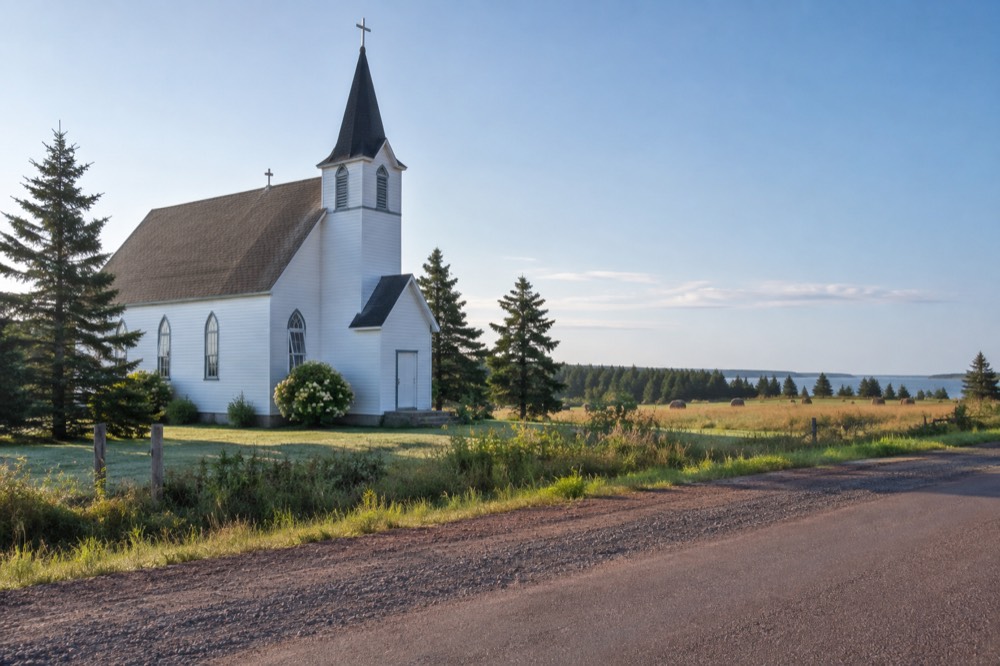
The Cavendish district is the easiest place to see the Scottish strand. Montgomery's fiction is full of Scottish Presbyterian rhythms, thrifty farms, long memories and formal courtesies, because that was the community she grew up in. Her novels preserve a world of kirk sessions, careful bookkeeping and Sunday formality, and that world is not invented; it is a record of how the district actually ran. Green Gables Heritage Place, the site at the heart of that world, is open 1 May to 31 October, 9 am to 5 pm daily, with adult admission of $10.00 in high season, and Parks Canada's own pages for the site carry the details: Green Gables Heritage Place.
The Irish strand is easiest to feel in Charlottetown itself. The city's older parishes, its pub culture and the warm, quick-spoken storytelling style visitors notice on the streets all trace back to Irish families who arrived in the 19th century and stayed. A 2-Hour Classic Walking Tour at $20.61 per person, rated 4.8 across 314 reviews, is a good way to hear that street-level history from a guide who lives it. For a deeper cut, the 2-Hour Historic Walking Tour at $21.35 per person rates 5 across 244 reviews, and the 2-Hour Architecture Walking Tour at $20.86 per person, rated 5 across 82 reviews, reads the same story out of the buildings themselves.
One practical note for anyone building a heritage itinerary around the capital: Province House National Historic Site, the birthplace of Confederation, is closed to the public for the entire 2026 season while a conservation project continues, though its grounds have reopened. A Charlottetown walking tour still passes it and still tells the Confederation story from outside, so plan for that rather than an interior visit.
Where Does The Scottish Side Show Up Today?
The Scottish inheritance is most visible in the Cavendish and north shore farming country, in the Presbyterian-flavoured village life Montgomery documented, and in the fiddle-and-stepdance tradition that still fills community halls each summer. Visitors chasing the Scottish strand should base themselves around Cavendish, take in Green Gables Heritage Place, and spend an evening at a live music event rather than only touring by day.
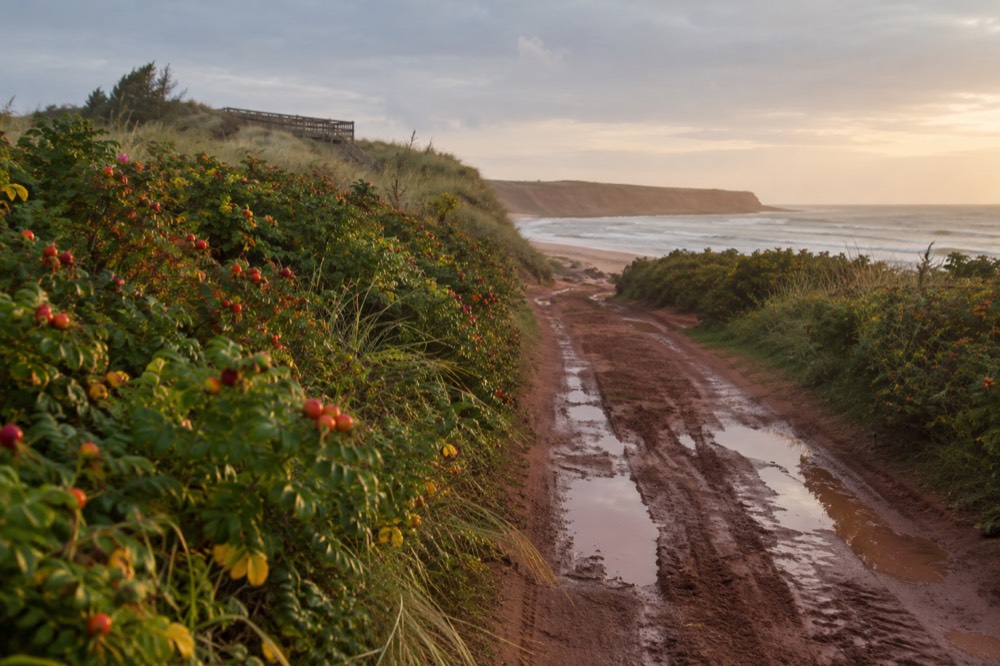
Avonlea Village in Cavendish is the modern commercial expression of that world, and in summer 2026 it ran a full schedule of events including kitchen parties, live music and local food vendors. Its operators even launched a new four-day festival in July 2026 to run alongside the Cavendish Beach Music Festival, which tells you how central live performance remains to the Cavendish visitor economy. The village's own visitor information page carries the season's hours: Avonlea Village information.
The Scottish strand also survives in how the Island eats and works. The lobster districts along the north shore, LFA 24, opened 28 April 2026 and fished through 28 June, and the shore-dining culture around those landings, lobster suppers in church halls and community halls, feels closer to a Scottish rural tea than to anything metropolitan. Long communal tables, volunteer servers and a fixed price have more in common with a village hall in Fife than with a Dublin gastropub. For more on that food culture, see our guide to PEI lobster and fishing tours.
The Anne industry is, in a real sense, the Scottish inheritance's biggest export. The 2026 production of Anne of Green Gables, The Musical runs select dates at the Confederation Centre of the Arts with a 26-member company and a 14-member live orchestra, and the L.M. Montgomery Institute at UPEI hosted its 17th biennial international conference in June 2026, with keynote speaker Megan Follows. The full production details are on the Centre's own site: Anne of Green Gables, The Musical 2026.
The best single tour for this strand is the guided one. The Small-Group Anne Tour, Pickup Included spends 4 hours in the Cavendish countryside at $114.37 per person, rated 4.6 across 375 reviews, with pickup from your accommodation so you can spend the drive hearing the settlement stories rather than reading road signs.
Where Does The Irish Side Show Up?
The Irish inheritance concentrates in Charlottetown and the Island's storytelling culture: the pub music scene on Victoria Row and Peakes Wharf, the quick-witted oral tradition Islanders are famous for, and the parish communities around the capital. It is less tied to one tourist site than the Scottish strand, which is exactly why it often surprises visitors who expected a Scottish island and found something warmer and chattier.
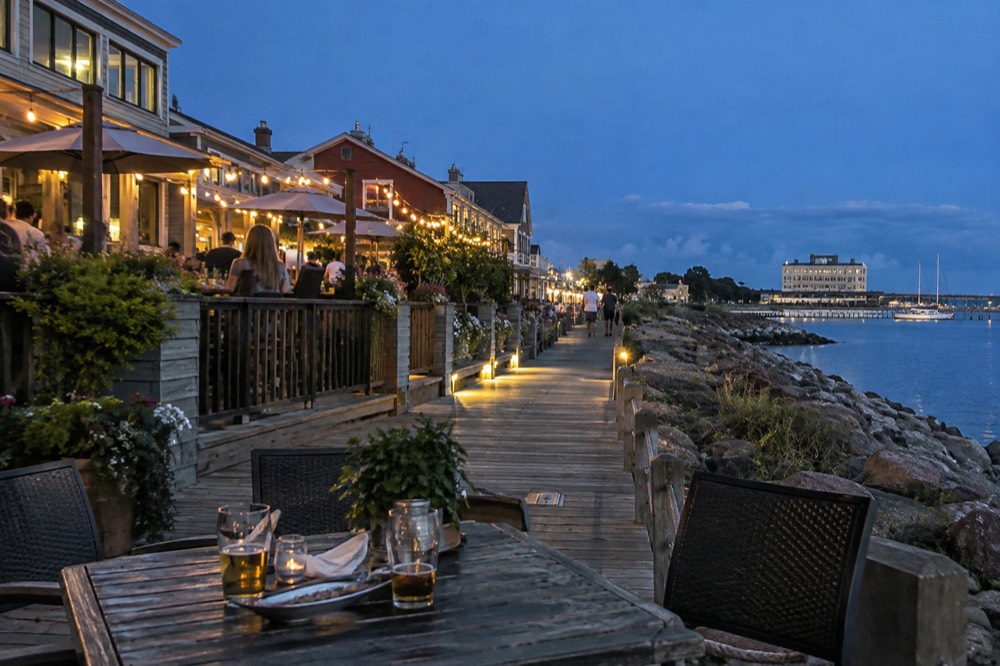
Victoria Row, the Richmond Street block of patios and pubs, is the natural habitat of the Irish-flavoured evening. It fully reopened to pedestrians and patios by late June 2026 after construction fencing came down, and the city made extended summer patio hours, until 1 am, permanent. On a July night the block sounds like Dublin more than anywhere in Scotland, and the singing often continues past midnight. More of these guides are collected on Prince Edward Island Tours.
The Irish side also shows up in the water. Charlottetown's harbour tours carry the shanty-and-storytelling register, and the port expects 79 ship calls and 167,954 cruise visitors in 2026, which keeps the waterfront busy and musical deep into autumn. For the full harbour picture, see our guide to Prince Edward Island boat tours.
A useful way to hold both strands in your head is a simple table of where each shows up most strongly:
| Heritage strand | Strongest around | Best experienced through | Signature evening |
|---|---|---|---|
| Scottish | Cavendish and the north shore | Green Gables Heritage Place, village halls, farmland drives | Kitchen party or stepdance night in Cavendish |
| Irish | Charlottetown and the harbour | Walking tours, pub patios on Victoria Row, waterfront music | Live music on Victoria Row or Peakes Wharf |
Do Islanders Still Hold Celtic Kitchen Parties?
Yes, and the kitchen party is the best evidence that the Irish-or-Scottish question misses the point. The format, informal music in a community space with food and dancing, exists in both traditions, and Islanders have fused the two into something distinctly their own. Summer 2026 offered kitchen parties at Avonlea Village, live music on the solar harbour cruises, and pub sessions in Charlottetown.
The solar boat cruises deserve a mention here because they are the most Island-specific version of the evening. The Solar Boat Cruise with Live Music runs 1 hour 30 minutes at $58.15 per person and rates 4.8 across 254 reviews, which is one of the larger review pools on the Island's roster. The 90-Minute Solar Dinner Cruise at $56.83 per person adds a meal, and the Sunset Dinner Cruise with Live Music at $64.02 per person stretches the format to 2 hours. All three put the music on the water, which neither Donegal nor the Hebrides managed to do.
For visitors who want the music with the history attached, a guided walk is the better buy. The 2-Hour Classic Walking Tour of Charlottetown costs $20.61 per person and rates 4.8 across 314 reviews, the deepest review pool of any walking tour on the Island, and guides routinely fold the Irish and Scottish strands into the same street corner. The Local Islander Guide Walk at $20.14 per person, rated 4.9 across 46 reviews, is the smaller-group alternative, and its guides tend to be the ones telling the family-immigration stories that make the heritage question feel personal rather than academic.
Which Side Should Your Itinerary Lean Toward?
Lean Scottish if your trip centres on Green Gables, the Cavendish countryside and the north shore, because that is where the Scottish settlement story lives and where the Anne tourism machine delivers it. Lean Irish if you are staying in Charlottetown and your evenings matter as much as your days, because the capital's pubs, patios and storytelling carry that strand. With the Island only 224 kilometres end to end, most visitors can and should do both.
A practical split works like this. Give the Scottish day to Cavendish: Green Gables Heritage Place in the morning, the north shore cliffs after, and a village-hall supper or kitchen party in the evening. The Express Anne Tour, Cavendish Cliffs covers the essentials in 3 hours 30 minutes at $72.87 per person, though its rating comes from only 3 reviews, so read the listing before booking. The Green Gables House, Pickup Included tour at $87.61 per person, rated 4.6 across 505 reviews, is the heavier-reviewed alternative.
Give the Irish day to Charlottetown: a morning walking tour, an afternoon on the harbour, and the evening on Victoria Row. The Self-Guided Audio Walking Tour at $9.57 per person suits travellers who want to move at their own pace, and the food tours add another layer; the 3-Hour Food Walking Tour at $72.13 per person rates 4.8 across 102 reviews, and the 3-Hour Food Tour with Islander Guides at $70.49 per person rates 5 across 8 reviews. Food is a fair proxy for the heritage question, since the Island's potato-and-seafood table carries the frugal Scottish farm kitchen and the generous Irish hospitality in the same meal.
One planning caution applies to both strands: the Island's tour inventory runs on a summer clock. November through April accounts for about 14% of annual non-resident visitor spending, and the national park's facilities close from mid-October to mid-May, so the heritage experiences described here cluster in roughly May through October. Our guide to the best time to visit Prince Edward Island covers the windows in detail.
Common Questions About PEI's Irish And Scottish Heritage
Is PEI More Irish Or Scottish?
Both, inseparably. Scottish settlement shaped the Cavendish farming district and its Presbyterian village culture, while Irish families shaped Charlottetown's parishes, pubs and storytelling. The Island's music and kitchen-party tradition fuses the two, so the honest answer is that PEI is a Celtic blend rather than one or the other.
Where can I see the Scottish heritage on PEI?
Base yourself around Cavendish and the north shore. Green Gables Heritage Place, the farmland lanes of the Cavendish district and the village-hall kitchen parties carry the Scottish strand most directly, and the Anne tours from Charlottetown deliver it with a guide's commentary included.
Where can I see the Irish heritage on PEI?
Stay in Charlottetown. The capital's older parishes, the pub patios on Victoria Row, which now run to 1 am in summer, and the harbourfront music scene carry the Irish strand, and a 2-hour guided walking tour at $20.61 per person is the easiest way to hear the history told properly.
Is the PEI accent Irish or Scottish?
It is its own blend, with Scottish and Irish roots filtered through generations of Island life. Visitors reliably hear echoes of both, and locals will tell you the accent changes subtly from parish to parish, which is exactly what you would expect from two settler traditions layered over one small province.
Do kitchen parties happen in both traditions?
Yes. Informal music gatherings in homes and community halls exist in both Scottish and Irish culture, and Prince Edward Island inherited both versions. Today the format survives commercially at Avonlea Village, on live-music harbour cruises and in Charlottetown's pubs, with fiddle, stepdance and song shared across the two traditions.
Which tour shows both heritages in one day?
A Charlottetown walking tour plus a Cavendish-area Anne tour covers both strands, and the Island's size makes the pairing realistic. The Small-Group Anne Tour, Pickup Included runs 4 hours at $114.37 per person, and the Classic Walking Tour runs 2 hours at $20.61 per person, so the two fit on consecutive days or even, with an early start, on one.