Is Prince Edward Island Worth Visiting?
A straight answer on whether Prince Edward Island is worth the trip, backed by real visitor numbers, seasonal facts and what the Island actually offers beyond Anne of Green Gables.
Is Prince Edward Island Worth Visiting?
Yes, for most travellers, and the numbers back that up. PEI welcomed 1.87 million non-resident visitors in 2025, a 10% increase over 2024, and Travel + Leisure ranked it third among the best islands in Canada in its 2026 World's Best Awards. It is small, 224 kilometres end to end, so a few days cover a lot. The catch is the season: roughly 86% of visitor spending happens May through October.
That last figure deserves a moment, because it is the honest half of the answer. Tourism PEI's own annual report shows that November through April accounted for 14% of annual non-resident visitor spending in 2024, up from 10% in 2019. The Island is actively growing its shoulder and winter seasons, and non-peak visitation is up 18% since 2019, but the reality for a visitor planning a trip is that the tour inventory, the beach infrastructure, the ferry and even the national park's facilities run on a summer clock. Decide when you are going before you decide whether it is worth going.
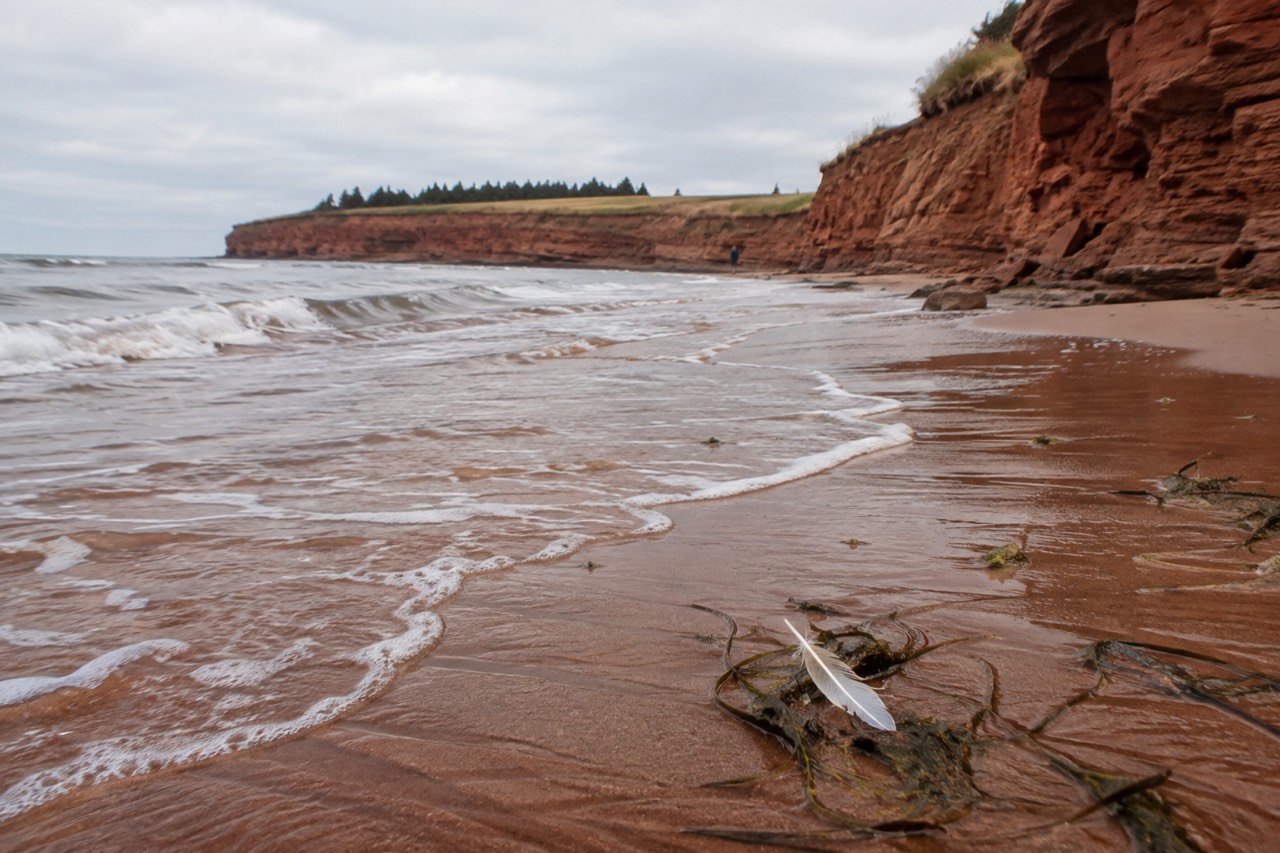
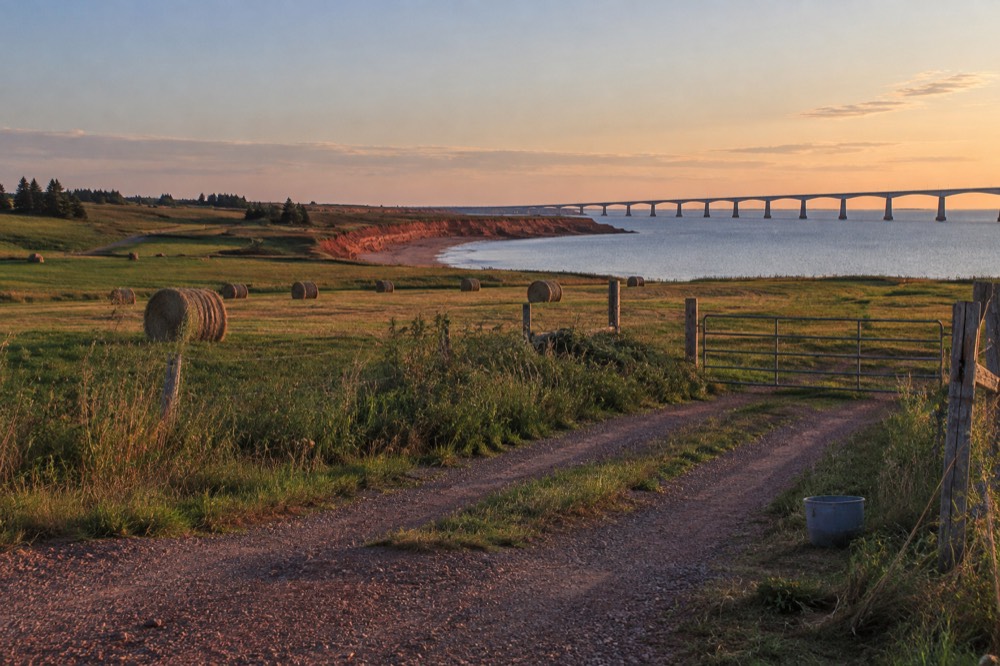
The case for the Island is not one big landmark. It is density: red sandstone coast, more than 90 beaches, lobster suppers, a 449 km tip-to-tip trail, a literary site that drew 58,000 visitors by late July 2025, and a capital city you can walk across in an afternoon. For a first-time visitor weighing the trip, the question is really whether that package beats a week somewhere louder. For most people who arrive in July or September, it does.
If you want a fast taste of what the Island does best, these three tours cover the literary anchor, the coast and the capital in one short stay.
What Does Prince Edward Island Actually Have?
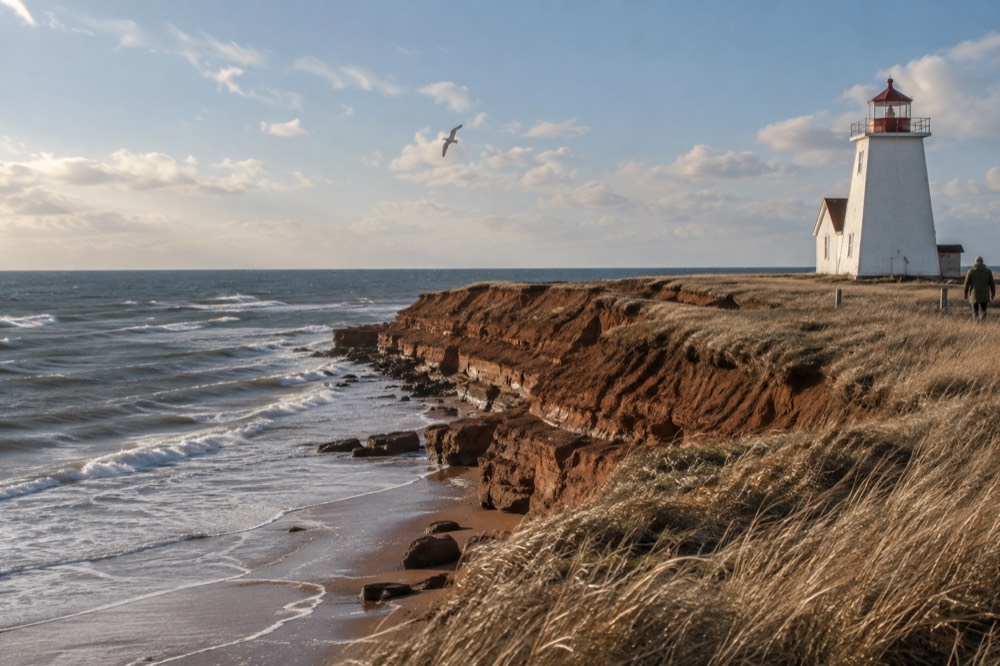
Beaches, a walkable heritage capital, the Anne of Green Gables site, lobster and oysters, and a car-free trail across the whole province. PEI has more than 90 beaches along over 1,000 km of coastline, 61 lighthouses and range lights, and a 449 km Confederation Trail on rolled stone dust with gradients never above 2%. None of it is monumental; all of it is close together.
That density is the selling point. Prince Edward Island is 224 kilometres end to end, and Tourism PEI's own framing is that you can travel from one end of the province to the other in about 3 to 4 hours, with any Island location within two hours of Charlottetown. You are never committing a full day to a transfer here the way you are in British Columbia or even Cape Breton. A morning at Green Gables, an afternoon on a Cavendish beach and an evening lobster supper in a single day is a normal PEI day, not an ambitious one.
The food is a bigger draw than many first-time visitors expect. The Island is Canada's lobster heartland: preliminary 2025 landings totalled 45 million pounds with a landed value over $355 million. Oysters, mussels and potatoes carry equal weight. A useful planning note: there is no single "PEI lobster season." The north shore (LFA 24) fished from 28 April to 28 June 2026, and the central and western Northumberland Strait (LFA 25) fishes from 10 August to 11 October 2026, so fresh local lobster reaches plates across most of the visitor season, from two different fisheries.
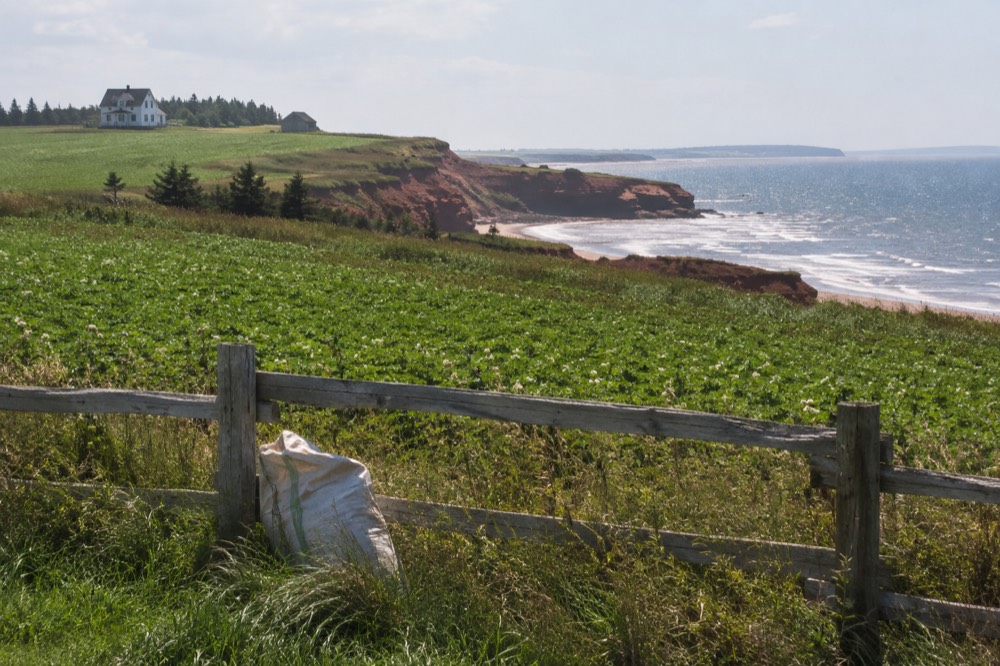
The literary pull is real and measurable. Green Gables Heritage Place in Cavendish, the Parks Canada site built around the farm that inspired L.M. Montgomery's 1908 novel, welcomed over 58,000 visitors by late July 2025, a nearly 20% increase over the same period in 2024, with one peak day near 3,000 visitors. The site recorded 175,000 visitors across the full 2024 season. Anne Shirley's reach extends well beyond Canada, and Japanese visitors in particular have come in the thousands every year since the book entered Japan's school curriculum in 1952.
Is PEI Worth Visiting Outside Summer?
Mostly no, if you want the classic PEI experience. The national park's visitor facilities close from mid-October to mid-May, beach boardwalks and stairs are installed only from the Victoria Day weekend to late September, and Green Gables is open 1 May to 31 October. November through April is just 14% of visitor spending. But September and early October are genuinely excellent.
The shoulder season is the insider's answer here. September gives you warm water, smaller crowds at Cavendish, the fall lobster fishery in the Northumberland Strait, and the PEI International Shellfish Festival, which runs September 17 to 20 in 2026 for its 30th anniversary, followed by the Fall Flavours festival September 24 to October 10. The paid overnight stays of 2025 set a record at 1,126,108, and operators reported July and August occupancy around 98 to 99%, which tells you what you are escaping by shifting two weeks later.
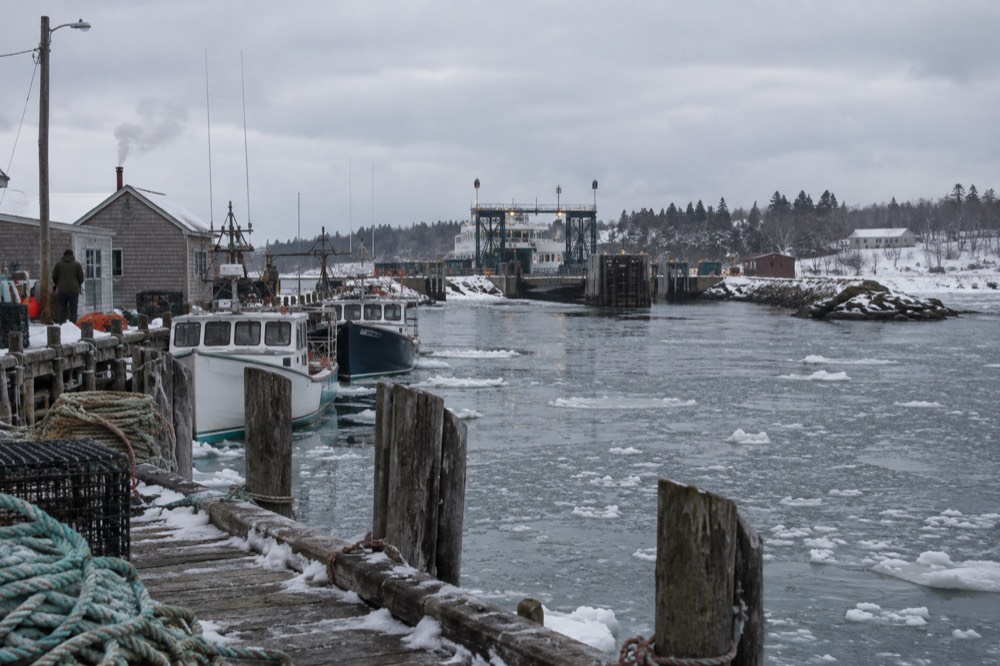
Winter is a different product, not a lesser one. Farmed oysters are exempt from harvest close times and are pulled from under the ice year-round, and the province's five-year tourism strategy is explicitly built on extending the season. Charlottetown's hotels, restaurants and the Confederation Centre stay open. What you lose is the beach infrastructure, the ferry (the Wood Islands season ends 20 December), and most of the guided tour inventory. If a winter trip is about quiet, food and snow on red fields, it can work. If it is about the postcard Island, wait.
One 2026 detail worth knowing before you plan: the Canada Strong Pass made Parks Canada entry free from 19 June to 7 September 2026, covering both PEI National Park and Green Gables. Regular fees resumed 8 September: $10.00 daily for an adult at the national park, $19.50 for a family or group in one vehicle, and $10.00 adult admission at Green Gables in high season. That is the full cost of the two headline attractions, which is modest by almost any destination standard.
How Many Days Do You Need?
Three to five days covers the Island well. Any location is within two hours of Charlottetown, so you can base yourself in one place and day-trip everywhere. Two days is enough for Charlottetown plus Green Gables; five lets you add the East Point lighthouse drive, the Confederation Trail and a slow food day. Most visitors stay longer than they planned.
The practical shape of a first trip is a hub with spokes. Charlottetown is the natural base: the 2-Hour Classic Walking Tour at $20.61 per person, rated 4.8 across 314 reviews, is the fastest orientation, and the harbour cruises, food tours and carriage rides all leave from the downtown waterfront. From there, Cavendish and Green Gables are under an hour north, the Points East Coastal Drive fills a day, and Victoria-by-the-Sea sits half an hour west.
If you are still deciding whether the Island justifies the journey, a half-day guided tour is the cheapest way to find out. The Small-Group Anne Tour, Pickup Included runs four hours for $114.37 per person with a 4.6 rating across 375 reviews, and it bundles the literary site, the north shore cliffs and the driving into one decision.
For travellers who prefer to move at their own pace, the self-guided audio options are the budget alternative: the Charlottetown audio walking tour is $9.57 per person, and the audio driving tour of the north shore is $13.25 per group for up to 12 people in one car. Between those two and a rental car, you can see most of the headline Island for under a hundred dollars in activities.
| What you want from the trip | Days needed | Best base | What fills it |
|---|---|---|---|
| Anne of Green Gables and the north shore | 2 | Charlottetown | Green Gables, Cavendish cliffs, a guided half-day tour |
| The classic first visit | 3 to 4 | Charlottetown | Add a food tour, a harbour cruise and Points East |
| Coast, food and trail | 5 to 7 | Split Charlottetown and Summerside | Lighthouses, Confederation Trail cycling, Fall Flavours in late September |
| A quiet food-focused escape | 2 to 3 | Charlottetown or Victoria-by-the-Sea | Shellfish Festival, oyster bars, lobster suppers |
What Are The Downsides?
Getting there costs time or money, the peak season is crowded, and the Island is quiet to the point of boring for visitors who want nightlife or big-city energy. July and August occupancy ran around 98 to 99% in 2025, so book ahead. Off-season, much of the tour and attraction inventory simply stops running.
Access is the first friction. The Confederation Bridge costs $20.00 for a passenger vehicle, collected only when leaving the Island at Borden-Carleton, a rate cut from over $50 in August 2025; the Wood Islands ferry is $43 for a car and its passengers, and the Nova Scotia to PEI direction can be free on standby. Both are cheap now, but neither is fast if you are coming from Toronto or Montreal, and Charlottetown's airport recorded 391,086 passengers in 2025, a modest network. The Island rewards travellers who are already in the Maritimes or who fly direct.
The crowds are the second. A record 1.87 million visitors against a resident population of about 181,715 means the peak-season crush is real at Cavendish, Green Gables and the Charlottetown waterfront, especially on cruise days: Port Charlottetown expects 79 ship calls and 167,954 cruise visitors in 2026, with calls running into early November. Two ships in port on a Tuesday changes the feel of a small capital city, and on the busiest summer days the waterfront sidewalks simply fill.
The third downside is temperament, not logistics. PEI is a rural province with one small city. If your holiday needs museums, nightlife and constant novelty, the Island will feel thin by day four. If it needs beaches, food, cycling and early evenings, it holds up. For a deeper look at the trade-offs, our guide to Prince Edward Island Tours lays out what each tour format delivers, and the question of how many days you need in PEI is worth reading before booking anything.
Who Should Skip It?
Visitors who need warm ocean swimming, big resort infrastructure or urban density should look elsewhere. PEI's beaches face the Gulf of St. Lawrence, not the tropics. It is also a poor fit for anyone travelling between November and April expecting the summer product: the national park facilities are closed mid-October to mid-May, and the ferry stops in late December.
Be honest about the water. The beaches are beautiful, broad and famously red-tinged, but this is the southern Gulf of St. Lawrence, and swimming is a July-to-early-September activity. Lifeguards at Cavendish and Brackley covered only 26 June to 7 September in 2026, a shorter window than the park season itself. Arrive in June expecting beach days and you may get them, or you may get 14-degree water and wind.
The Island also demands a car, or at least a tour, for nearly everything outside Charlottetown. There is no passenger rail, the inter-city bus network is thin, and the attractions are spread along rural roads. A visitor who wants to be car-free for a week can do it in the capital, with day tours filling the gaps, but the full Island experience is a driving experience. Cyclists are the exception: the Confederation Trail's stone-dust surface and 2% maximum gradients make a bike a genuine way to see the province, and power-assisted bikes are legal on the trail from 1 April to 30 November.
Families, food travellers, cyclists and Anne fans are the strongest fits. A family or group entering the national park in one vehicle pays $19.50 for the day outside the free windows, and Green Gables admission is free for youth 17 and under year-round. Food travellers get two lobster seasons, year-round farmed oysters and a festival calendar that now runs deep into October. That is a lot of value for a province you can cross in an afternoon.
Common Questions About Is Prince Edward Island Worth Visiting?
Is Prince Edward Island Worth Visiting?
Yes for most travellers. A record 1.87 million non-resident visitors came in 2025, and the Island ranked third among Canada's best islands in Travel + Leisure's 2026 awards. It works best between May and October, when roughly 86% of visitor spending occurs.
What is the best month to visit Prince Edward Island?
September is the strongest single month: warm water, the fall lobster fishery in the Strait, the Shellfish Festival and Fall Flavours, and far smaller crowds than July and August, which ran near 99% hotel occupancy in 2025.
Is PEI worth visiting without a car?
Partly. Charlottetown itself is walkable and tours with pickup included cover Green Gables and the north shore. But most attractions sit along rural roads with no transit, so a car or guided tour is needed for the wider Island.
How many days are enough for Prince Edward Island?
Three to five days. Any Island location is within two hours of Charlottetown, so one base with day trips works. Two days covers the capital and Green Gables; five adds the lighthouse drives, the trail and a full food day.
Is PEI too crowded in summer?
July and August are the crowded months, with reported occupancy around 98 to 99% in 2025 and 79 cruise calls bringing 167,954 visitors in 2026. June and September offer the same attractions with a fraction of the pressure.
Is Prince Edward Island expensive?
The headline attractions are cheap: national park entry is $10.00 per adult per day outside the free summer window, and Green Gables is $10.00 in high season, free for youth 17 and under. Tours run from $9.57 for a self-guided audio walk to $114.37 per person for a small-group guided half-day.
The verdict, plainly: Prince Edward Island is worth visiting if you match it to the right month and the right expectations. It is a small, food-rich, coast-heavy destination that rewards slow travel, and the record 2025 numbers suggest most visitors leave satisfied. It is not worth visiting in February for the beaches, or in August if you cannot stand crowds. Pick September, book a place to stay early, and the Island over-delivers for its size. If the answer is yes for you, the next decision is the practical one, and our guide to day tours on the Island breaks down the formats and prices.