Where To Get The Best Oysters In PEI?
The best oysters in PEI come straight off the lease: a farm tour where you pull and shuck your own beats any restaurant plate. Here is where to go, when, and what it costs.
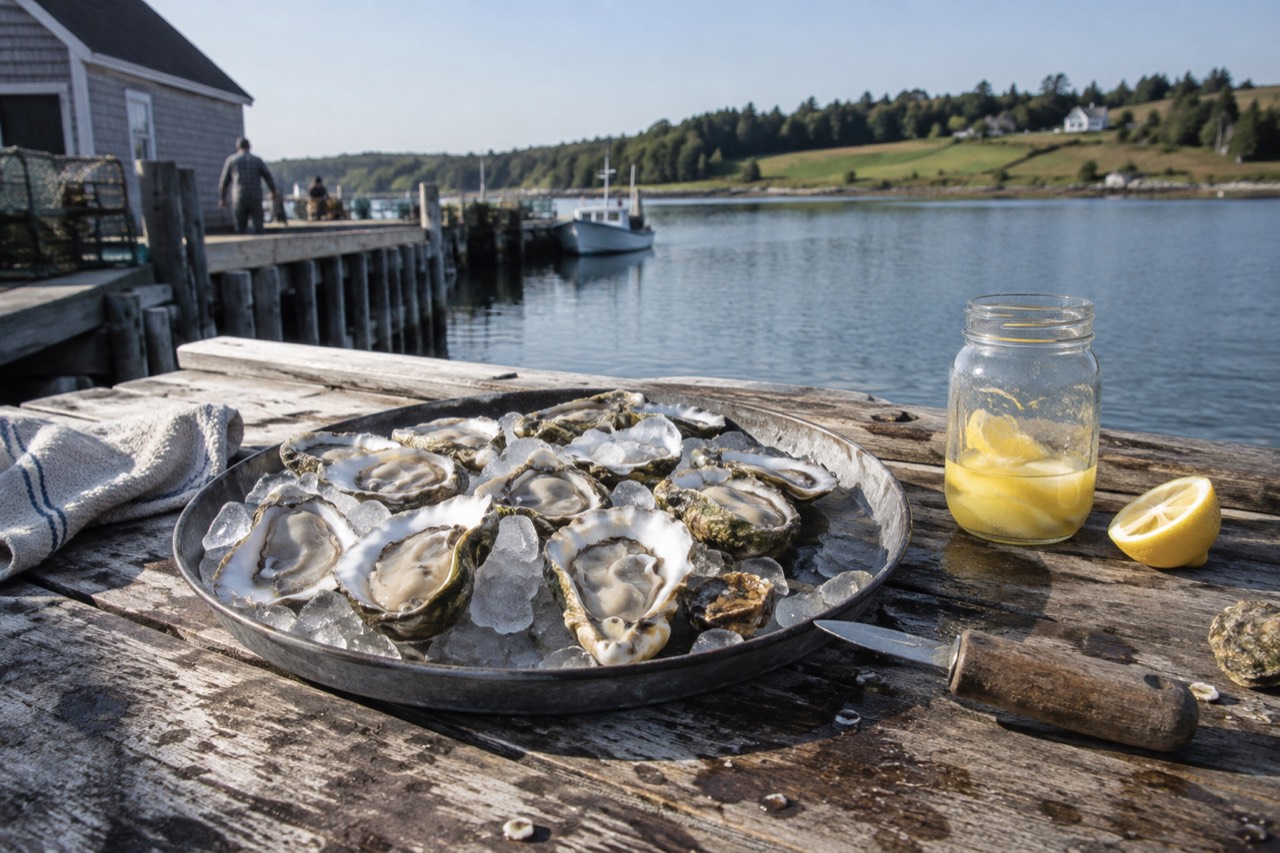
A Malpeque oyster tastes best about thirty seconds after it leaves the water, which is why the honest answer to this question is not a restaurant name. It is an oyster lease. Prince Edward Island grows roughly 60 to 70 percent of its oyster crop in the western half of the province, and the industry is worth about $27 million a year, so the supply is everywhere. The distinction that matters is between an oyster that was harvested that morning and one that rode a truck for two days first.
Where To Get The Best Oysters In PEI?
The best oyster in PEI is one you pull from the water and shuck yourself on an oyster farm tour, because farmed oysters are harvested year-round and a lease visit puts the animal in your hand minutes out of the water. If a dock visit is not on your itinerary, the next best source is a tasting tour or a restaurant that buys from a named nearby lease.
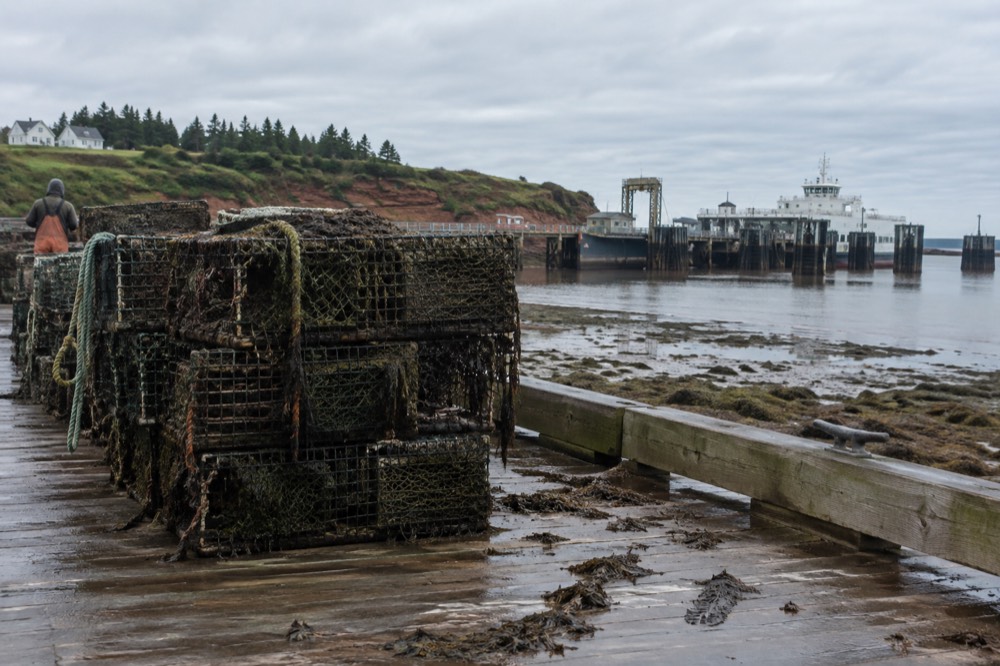
That answer surprises people who expect a list of dining rooms. The reasoning is simple: an oyster is a filter feeder, and its flavor is a portrait of the specific water it grew in, what growers call merroir. Once it is out of that water, the clock starts. A lease visit collapses the distance between harvest and palate to almost nothing, and no kitchen, however good, can undo a two-day supply chain.
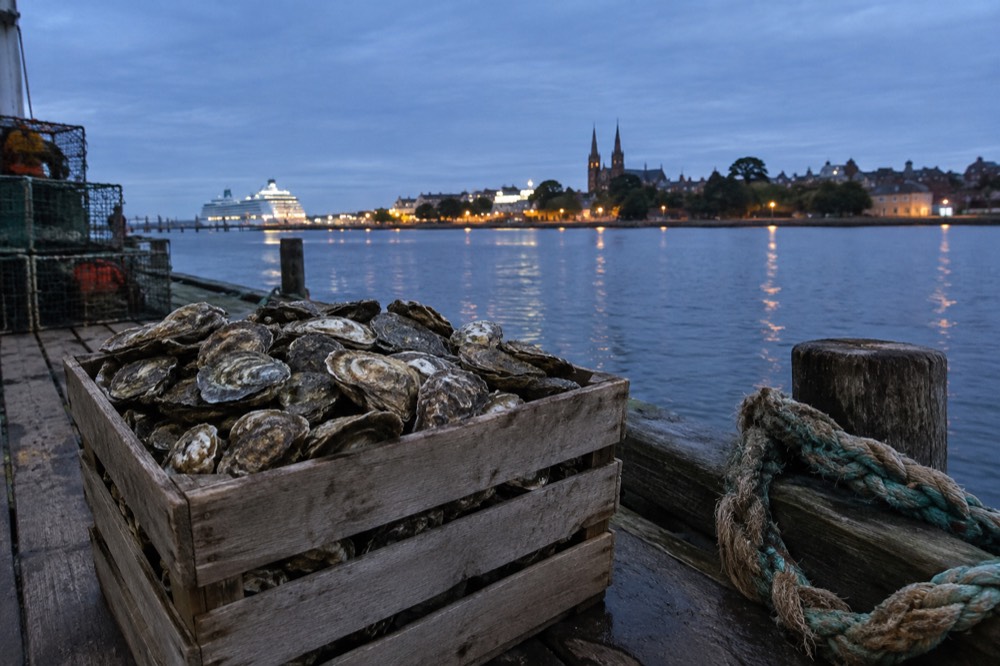
The practical version of this is a farm or dock experience where a grower lifts a cage, hands you a shucking knife and lets you work. Operators along the Island's western shore and around Charlottetown run these in season, and they are the closest thing PEI has to a definitive oyster experience. Expect to get muddy, expect a lesson in how a cage-tumbled oyster builds its deep cup, and expect to eat more than you planned. For a structured version with a guide doing the driving, the tours below cover the tasting angle from three different angles: a dedicated seafood and wine tasting, a walking food tour through Charlottetown, and a cheap self-guided option for the day you explore on foot.
If you would rather plan the whole trip around eating well, our guide to Charlottetown food and oyster tours breaks down every tasting walk and seafood experience on the roster, and the broader things to do on Prince Edward Island page situates oyster country inside a full Island itinerary.
Why Farmed Oysters Changed The Answer
Most of what visitors eat on PEI is farmed oysters, and federal rules exempt cultivated oysters from harvest close times entirely, so they come out of the water every month of the year, including through winter ice. That single legal fact is why the old "only eat oysters in months with an R" rule does not describe this province at all. A Malpeque on your plate in July is normal, legal and farmed.
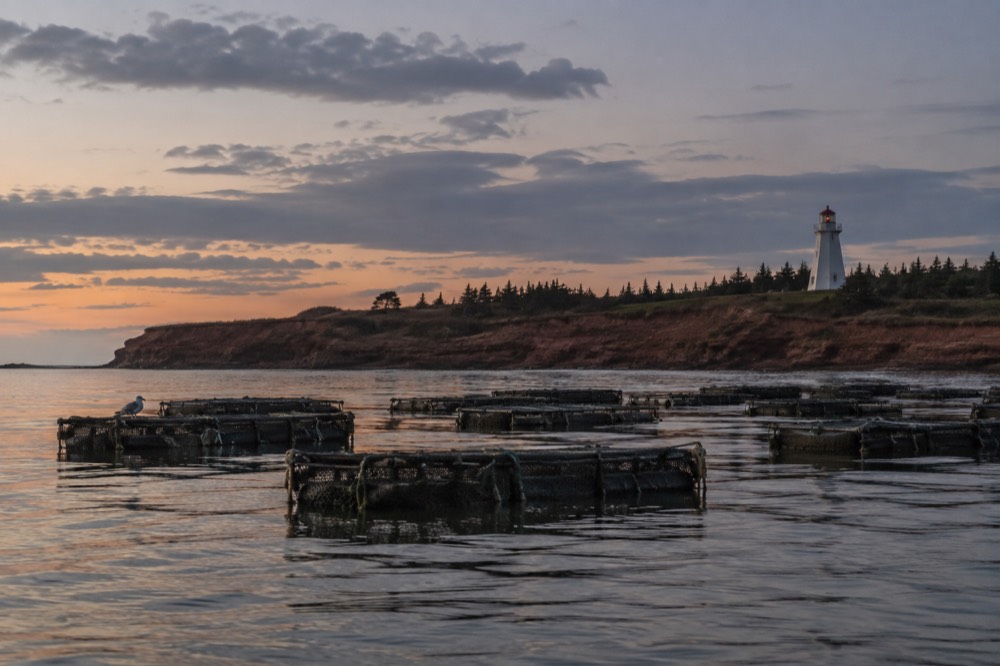
The exemption dates to a 2021 regulatory amendment that excluded cultivated shellfish from the close times and size restrictions written for wild public stocks. The government's own reasoning was that conservation rules for publicly owned wild populations "do not need to apply to privately owned cultivated shellfish." On PEI that means a leased oyster ground can be worked in February, through the ice, which is exactly what western Island growers do. Ice harvesting is not a curiosity here; it is a working winter industry, and some growers say the cold-water oysters of February and March are their firmest and sweetest of the year.
The wild public fishery is the seasonal one, and it is short: hand-operated tongs or rakes only, open roughly 15 September to 30 November, closed the rest of the year. If someone offers you a "wild PEI oyster" in March, either the label is loose or the date is. Farmed is not a compromise here, it is the standard, and it is what the best plates in the province are built on.
There is a harder reason the farmed story matters right now. Two oyster diseases, MSX and Dermo, hit western PEI hard, causing 50 to 95 percent mortality in affected areas and near-total losses expected for the 2025 through 2027 crops there, against an industry worth roughly $27 million. Federal support of $4.2 million and about $3 million in provincial relief followed. The practical consequence for a visitor: supply from the western bays is tighter, prices reflect it, and the growers still standing are worth seeking out by name.
The scale of what farmed oysters mean to the Island is easy to miss. PEI growers cultivate roughly 10 million oysters annually, and the province is Canada's top oyster-producing province, supplying about 80 percent of the national harvest. The industry supports hundreds of jobs, and the oyster sector's overall economic impact across PEI has been estimated at roughly $27 million. The western bays that MSX and Dermo hit hardest account for 60 to 70 percent of that production, which is why the disease outbreak is felt far beyond a single season's harvest.
For visitors, the farmed model also shapes what a tasting actually looks like. Because growers work leased grounds rather than a public season, many offer oyster tours and tastings on their own leases, where you can see the floating cages, learn how long an oyster takes to reach market size, and shuck one straight from the water. The province even runs an annual oyster tasting competition that draws entries from growers across the Island, and the winners' names are the ones to look for on restaurant menus.
Wild Season Or Farmed Lease: Which Oyster Are You Eating?
A wild PEI oyster legally comes from a public bed, taken by hand tongs or rakes between about 15 September and 30 November, while a farmed oyster comes from a leased ground on no fixed calendar at all. Restaurants almost never tell you which is on the plate unless you ask, and asking is worth it: the two taste different and the wild one is genuinely seasonal.
The distinction is easiest to see side by side.
| Question to ask | Wild public fishery | Farmed lease |
|---|---|---|
| Legal season | About 15 September to 30 November | Year-round, exempt from close times |
| Harvest method | Hand tongs or rakes only | Any method on the leased ground |
| Typical shape | Often rougher, slower-growing | Cultivated for depth of cup and consistent size |
| Where you meet it | Wharf-side, fall festivals, direct from fishers | Nearly every restaurant plate and tour |
| Winter availability | No | Yes, harvested through the ice |
The minimum legal size for a retained oyster is 76 millimetres, which is why PEI oysters have that substantial, deep-cupped look compared with the small cocktail oysters served elsewhere. A grower or shucker will happily explain how a cage-grown oyster gets tumbled to build that cup. It is a two-minute conversation that permanently upgrades your ordering.
This is also the moment where a guided tasting earns its price. A guide who knows the growers can tell you which bed the oyster on your plate came from, and on the better tours the answer changes from stop to stop. The Seafood, Wine and Chocolate Tasting tour out of Victoria-by-the-Sea runs five hours and is built exactly around that kind of stop-to-stop story, pairing local shellfish with Island wine; it costs $106.73 per person and is a new listing, so it has no reviews yet.
Where To Actually Eat Them: The Places Worth The Drive
Charlottetown gives you the densest choice, Victoria-by-the-Sea puts you in a fishing village an hour from the city, and the eastern shore around Bay Fortune holds a kitchen ranked on Canada's 100 Best Restaurants 2026 list. The pattern in all three is the same: the closer the kitchen sits to the lease, the better the oyster.
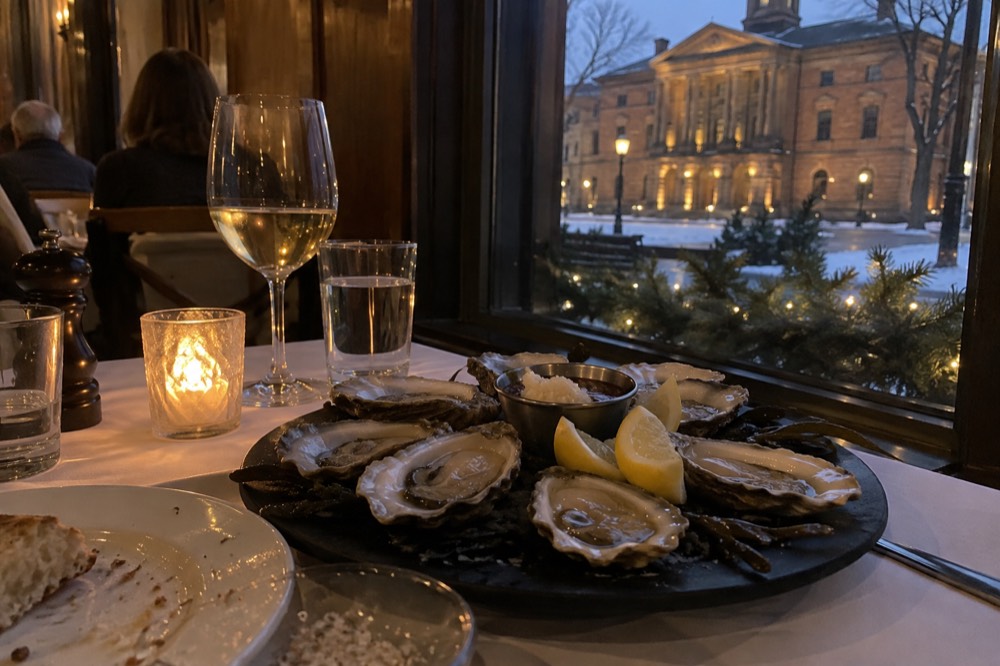
In Charlottetown, work the wharf end of town first. Peake's Wharf and the waterfront restaurants buy from nearby beds, and a raw bar that names its grower is doing it right. Ask for a single oyster before committing to a dozen; a good shucker will let you taste two or three side by side, and the differences between leases are bigger than most people expect. The city's food walking tours are a fast way to sample several kitchens in one afternoon: the 3-Hour Food Walking Tour costs $72.13 per person and carries a 4.8 rating across 102 reviews, which is one of the deeper review pools on the Island's food roster.
Victoria-by-the-Sea, a tiny former shipbuilding village on the Island's south shore, punches far above its size for seafood. It is the base for the tasting tour mentioned above, and it is the kind of place where the person shucking your oyster knows the family that grew it. The village sits on the route between Charlottetown and the ferry country of the Island's southeastern corner, so it slots neatly into a south-shore driving day. Bring a cooler: you will want to leave with a bag.
Out east, the Inn at Bay Fortune near Souris made Canada's 100 Best Restaurants 2026 list, and its kitchen runs close to the Island's eastern oyster grounds and its own gardens. The drive there crosses some of the prettiest farmland in the province, red soil and water at every crest, so the trip is half the point. Book well ahead in summer; the dining room fills with people who planned their whole Island week around that one table.
When To Come: The Two Festival Windows
The single best fortnight for an oyster-focused trip is mid-September, when the wild season opens and the PEI International Shellfish Festival runs 17 to 20 September in Charlottetown, with Fall Flavours following 24 September to 10 October across the Island. That window stacks fresh wild oysters, shucking competitions and harvest-season menus into one visit.
The Shellfish Festival is the headline: its 30th anniversary edition runs in Charlottetown with daytime Shellfish Lovers Pass tickets starting at $20, and the event gathers growers, shuckers and kitchens from across the province in one place. Details and tickets are on the festival's official site. Fall Flavours, running 24 September to 10 October, spreads signature culinary events across the whole Island, and its program is on the official Fall Flavours site.
Do not skip the shoulder logic, though. September and October are when the Island's visitor rush thins out while the food gets better, and Tourism PEI's own numbers show non-peak visitation up 18 percent since 2019, so you will not have the place to yourself. If you want the full reasoning on timing, our best time to visit Prince Edward Island guide walks through it month by month.
What An Oyster Day Costs, And How To Book It
A self-guided oyster day can cost almost nothing beyond the oysters, since a Charlottetown audio walking tour is $9.57 per person and wharf-side buying is direct from the grower, while a guided tasting runs $72.13 per person for a three-hour food walk or $106.73 per person for the five-hour Victoria-by-the-Sea seafood and wine experience. The spread is wide enough to fit any budget.
The cheap end is genuinely good. Wander the Charlottetown waterfront with the Self-Guided Audio Walking Tour, $9.57 per person with a 4.8 rating across 9 reviews, and finish at a raw bar. The expensive end is a five-hour guided tasting with wine pairings. Neither is wrong; they are different trips. If you are weighing the full landscape of guided options, the Prince Edward Island tour prices guide compares every format on the roster, per person and per group, so you can see exactly where oyster experiences sit.
One booking note that matters: PEI's tour inventory is concentrated in roughly May to October, and July and August 2025 saw hotel occupancy around 98 to 99 percent per operator reports, so anything guided in high summer should be reserved ahead. September, with the wild season open and the crowds thinner, is both the better eating window and the easier booking window. A tasting fee at a winery or distillery stop usually runs a few dollars and is often credited toward a bottle, so ask at the counter rather than assuming.
Whether you end up on a dock with a shucking knife or at a festival table with a dozen Malpeques in front of you, the same rule holds: ask where the oyster came from. On this Island, the answer is never far away. The three options below cover the guided, the walking and the self-guided versions of a very good oyster day.
For everything else on the plate, from lobster rolls to potato country, our piece on what kind of food PEI is known for is the companion read, and the Prince Edward Island Tours homepage ties the whole roster together.
Common Questions About Oysters In PEI
Where To Get The Best Oysters In PEI?
On an oyster farm or lease, where you can pull and shuck your own; failing that, on a tasting tour or at a restaurant that names the grower it buys from. Victoria-by-the-Sea, the Charlottetown waterfront and the Inn at Bay Fortune are the three most reliable bases.
Can you eat PEI oysters year-round?
Yes. Farmed oysters, which are most of what is served, are exempt from harvest close times and are harvested every month, including through winter ice. Only the wild public fishery is seasonal, running about 15 September to 30 November.
What is a Malpeque oyster?
An oyster grown in the waters of Malpeque Bay on PEI's northwestern shore, one of the most famous oyster appellations in Canada. The name refers to where it grows, not a separate species, and the flavor varies lease to lease within the bay.
Are PEI oysters safe after the disease outbreaks?
MSX and Dermo devastated stocks in affected western areas, with 50 to 95 percent mortality reported, but the diseases affect oysters, not people. Oysters on the market are inspected and safe to eat; the impact is on supply and price, not food safety.
When is PEI oyster season?
The wild public season runs about 15 September to 30 November. Farmed oysters have no closed season. The PEI International Shellfish Festival, 17 to 20 September in Charlottetown, sits right at the overlap of the two.
Do you need a tour to visit an oyster farm?
No, some growers welcome walk-up visitors in season, but a tour handles the driving, the bookings and the grower introductions. The Victoria-by-the-Sea tasting tour at $106.73 per person is the roster's dedicated seafood and wine option.