What Kind Of Food Is PEI Known For?
Lobster, oysters, mussels and potatoes define the PEI table, and each one is sold as a guided tasting experience, not just a dinner. Here is what to eat and how to taste it.
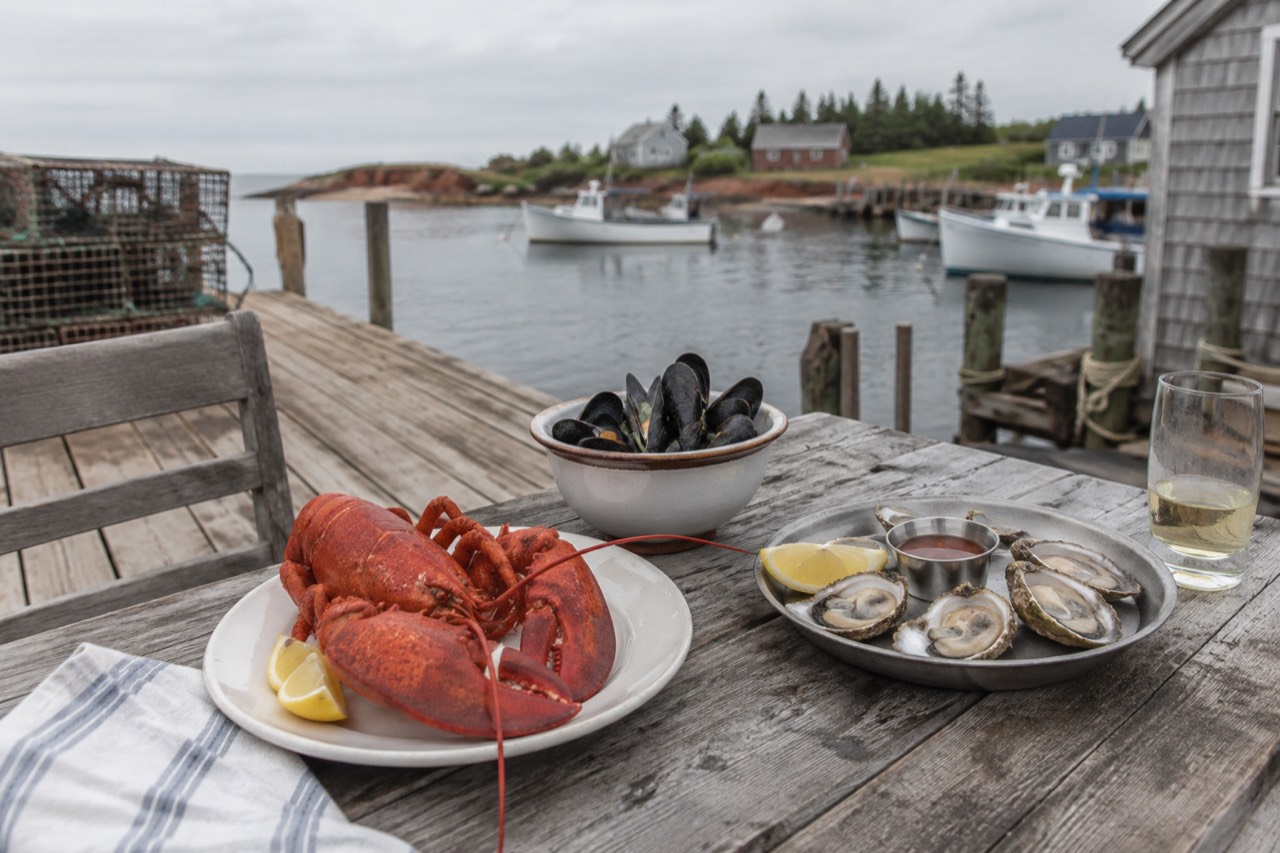
Prince Edward Island is Canada's smallest province and one of its most clearly branded tables. Ask anyone on the mainland what the Island eats and the answer comes back in four words: lobster, oysters, mussels, potatoes. All four are correct, but each one carries a detail most visitors never hear. The lobster fishery runs twice a year in different waters. The oysters on your July plate are farmed and legally exempt from closed seasons. The mussels are a $29.3 million cultured industry. And the potato crop just had a drought year. This page sorts out what PEI food actually is, season by season, plate by plate.
What Kind Of Food Is PEI Known For?
Prince Edward Island is known for four foods above all: lobster, Malpeque oysters, cultured blue mussels and potatoes. Lobster is fished in two separate seasons, one in spring and one from 10 August to 11 October 2026. Farmed oysters are harvested year-round, mussels are a 34.4 million pound industry, and the Island grows roughly a fifth of Canada's potatoes.
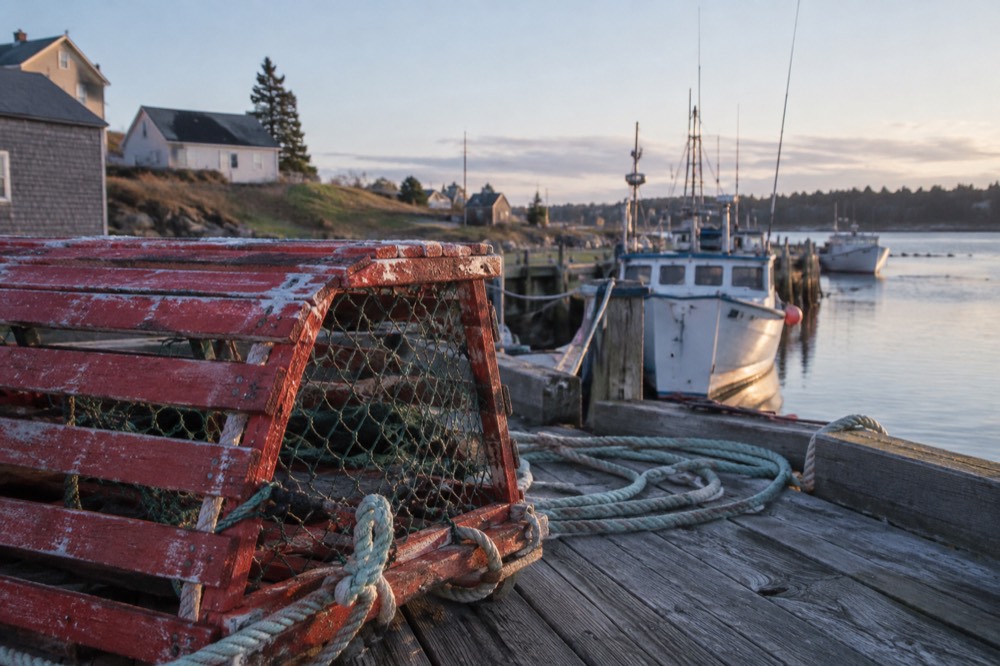
The short answer is shellfish, and the long answer is why. PEI's waters are shallow, cold and nutrient-rich, which is the exact combination that makes shellfish grow slowly and taste clean. The lobster fishery landed roughly 45 million pounds in 2025 with a landed value over $355 million, per preliminary Department of Fisheries and Oceans figures cited in a Tourism Industry Association of PEI report. That is not a boutique trade, it is the economic spine of the coastal towns a visitor drives through.
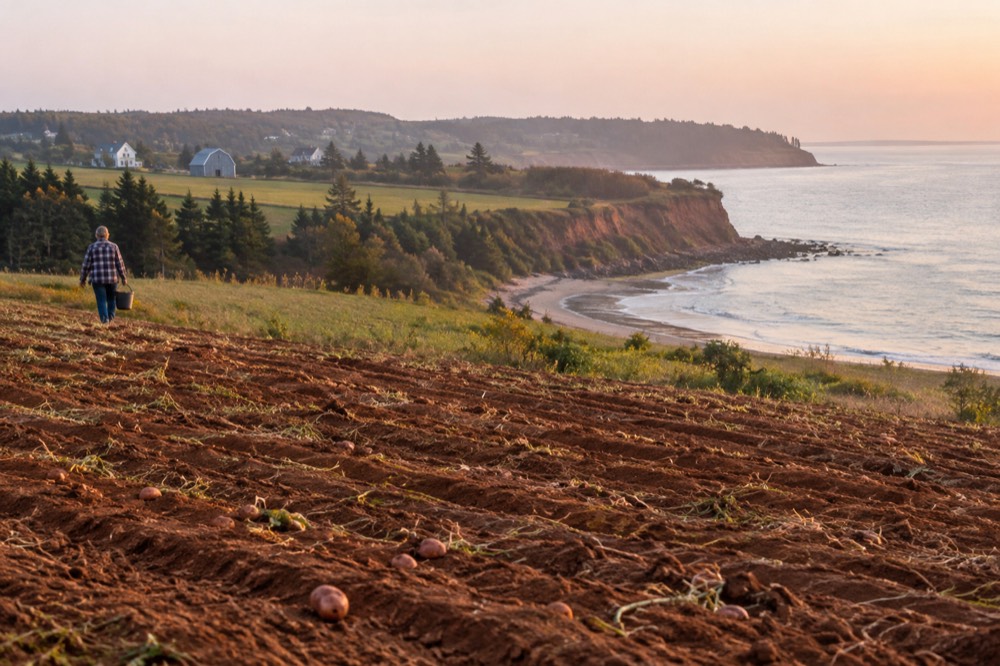
Oysters carry the Island's name literally: the Malpeque oyster is named for Malpeque Bay on the north shore. Mussels are less famous and arguably more of an everyday food here, grown on long lines in bays around the Island. And the potato, grown in that famous red soil, is the quiet fourth pillar. Roughly 470,000 acres of the Island is covered by the red Charlottetown soil series that gives the fields their colour. The red comes from iron oxide in the soil, which is why the beaches, the cliffs and the farm fields all share the same rust tone.
The branding is not accidental, either. The province markets its food aggressively, and the visitor economy has caught up: a record 1.87 million non-resident visitors came in 2025, a 10 percent increase over 2024, and food is a large part of what they come for. The Island's restaurant scene has grown with that traffic, and Charlottetown now holds a place on national restaurant lists, with the Inn at Bay Fortune ranking on Canada's 100 Best Restaurants in 2026.
If the goal is tasting rather than reading, the food tour inventory in Charlottetown is where most visitors start.
The trio above spans the range. The 3-Hour Food Walking Tour at $72.13 per person (4.8 from 102 reviews) is the established option. The Small-Group Food Tour with lobster roll at $78.41 per person (4 from 21 reviews) is built around the Island's signature sandwich. The Self-Guided Audio Walking Tour at $9.57 per person is the budget route, and it pairs with a food guide of your own making.
Why Lobster On PEI Means Two Seasons, Not One
There is no single PEI lobster season. The north shore, LFA 24, fished 28 April to 28 June 2026, and the eastern Northumberland Strait, LFA 26A, fished 27 April to 27 June. The central and western strait, LFA 25, fishes 10 August to 11 October 2026. A visitor in September sees a full fishery in the strait and none on the north shore.
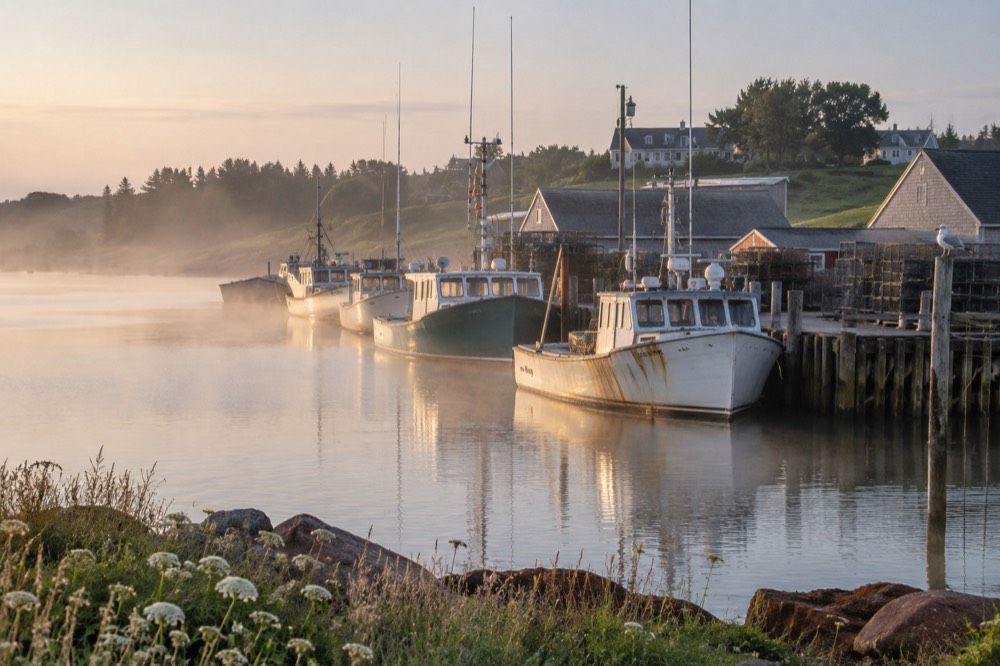
The Island is split across three lobster fishing areas, and the Department of Fisheries and Oceans sets each one's dates separately. The spring seasons are the famous ones: wharves fill with traps, boats leave before dawn, and the shore price makes the news. Spring 2026 opened at $8.00 to $8.50 a pound, and some fishers later reported prices just over $7. The fall season in LFA 25, which the DFO notice fixed at 10 August to 11 October 2026, is the one most travel writing forgets entirely.
| Zone | Waters | 2026 season | When you see boats |
|---|---|---|---|
| LFA 24 | North shore of PEI | 28 April to 28 June | Spring only |
| LFA 26A | Eastern Northumberland Strait | 27 April to 27 June (sub-zone 26A-3: 20 April to 20 June) | Spring only |
| LFA 25 | Central and western Northumberland Strait | 10 August to 11 October | Late summer and autumn |
What this means for a plate: fresh local lobster is available in spring, then again from mid-August through Thanksgiving weekend, and the supply in between comes largely from live-holding tanks and imports. That is normal and honest, but a visitor who wants to watch a fishery happen should aim for one of the two windows. The DFO publishes the actual opening notices weeks in advance, and weather can shift dates, so re-check the current year's notice rather than trusting a blog. The official DFO lobster management plan is the source the seasons above come from.
A lobster supper, the church-hall format with potato salad and chowder, is the other PEI institution, and it runs on the same seasons. The format predates the tourism boom: community halls across the Island serve a fixed menu of chowder, mussels, a whole lobster, and dessert, and the proceeds often go to the local church or fire hall. It is the single best value on the Island food scene and the one most visitors never hear about, because it is advertised on roadside signs rather than in restaurant guides.
For tasting lobster in a guided setting, the Small-Group Food Tour with Lobster Roll ($78.41 per person, 4 from 21 reviews, 2 hours) puts the sandwich at the centre of the walk.
The lobster roll itself deserves a note: it is a PEI and Maritime staple rather than an invention of one town, and every kitchen argues about butter versus mayonnaise. The tour above settles the argument by tasting rather than debating.
Oysters: Farmed Year-Round, Wild In Autumn
Malpeque oysters are the Island's namesake shellfish, and farmed oysters, which is most of what a visitor eats, are exempt from harvest close times and harvested year-round, including under winter ice. The wild public fishery is the seasonal one, legally open 15 September to 30 November. The old "months with an R" rule does not describe PEI.
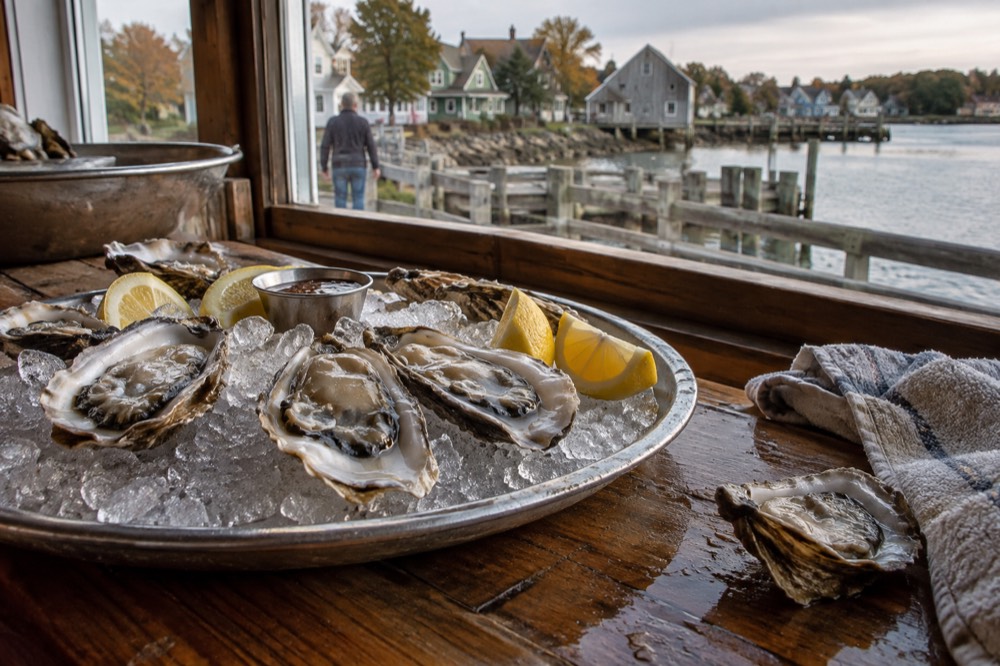
The legal detail is the interesting part. Federal regulations list close times for public oyster-fishing areas in PEI waters, from 1 December to 14 September, which leaves the wild public season at 15 September to 30 November. But a 2021 amendment to the Maritime Provinces Fishery Regulations excludes cultivated oysters from those close times altogether, on the reasoning that conservation rules for wild populations do not apply to privately grown shellfish. So a Malpeque on your plate in July is normal, legal and farmed. The rest of the planning pages sit on Prince Edward Island Tours.
The industry has a hard story right now. MSX, detected in 2024, and Dermo, detected in 2025, have caused 50 to 95 percent mortality in affected areas of western PEI, which produces 60 to 70 percent of the Island's oysters, against a roughly $27 million industry. Federal support of $4.2 million and about $3 million in provincial relief followed. Oysters are still on menus across the Island, but the supply behind them is tighter in the west, and the story is worth knowing when a shucker talks about their bay.
Rainfall closures happen too, and they are short and local rather than catastrophic: heavy rain in early September 2026 closed coastal harvesting from near Pownal west and north to near Naufrage, with the closures expected to last about a week. A restaurant's oyster order simply shifts to unaffected leases until the water clears. It is worth asking a shucker where the day's oysters came from, because the answer changes with the weather.
For tasting, the PEI International Shellfish Festival, the 30th edition, runs 17 to 20 September in Charlottetown, and the Fall Flavours festival follows, 24 September to 10 October. Our page on where to get the best oysters in PEI goes deeper on the shucking side, and the Charlottetown food and oyster tours guide covers the guided options.
Mussels, Potatoes And The Rest Of The Island Table
Cultured mussels are PEI's quiet staple: 34.4 million pounds landed in 2024, worth $29.3 million, grown on long lines in Island bays. Potatoes are the land crop, 21.8 million hundredweight in 2025, down 15.9 percent after drought. The supporting cast is beef from the Island's small farms, dairy, and the island's food festivals that run through September and October.
Mussels deserve better billing than they get. They are the shellfish most Islanders eat most often, cheaper than lobster and available every week of the year because they are farmed rather than wild-caught. The province's own mussel monitoring program, which published its 2025 technical report in March 2026, tracks the industry closely. The monitoring report is the primary source for the landings figure above.
Potatoes are the reason the Island looks the way it does from the air: red fields, rolling, and divided into small farms. The 2025 crop came in at 21.8 million hundredweight, down 15.9 percent year over year because of drought, so the fries under your lobster roll had a harder year than the lobster did. PEI beef and dairy round out the farm side, and the Island's famous density of small producers is why the farm-to-table claim here is usually literal rather than marketing.
How To Taste PEI Food As A Tour, Not Just A Dinner
The practical way to taste PEI food is a guided walk in Charlottetown, where the food tour inventory clusters. The 3-Hour Food Walking Tour costs $72.13 per person and rates 4.8 from 102 reviews. The 3-Hour Food Tour with Islander Guides costs $70.49 per person and rates 5 from 8 reviews. The Victoria-by-the-Sea seafood and wine tasting costs $106.73 per person as a new listing.
The differences between those options are real. The Charlottetown Food Walking Tour is the veteran with the deepest review pool, three hours of restaurant and market stops in the capital. The Islander-guided version at $70.49 per person (5 from 8 reviews) is nearly the same price with a smaller review pool and a local-host framing. The Victoria-by-the-Sea tasting tour at $106.73 per person (new listing, 0 reviews, so no rating standing yet) is the only one that leaves town, pairing seafood with wine and chocolate over five hours.
For visitors who want the shellfish story told at the source, shore boils with a retired fisherman run along the Island's edge, and the lobster trap haul and sunset boat tours out of Charlottetown's Peake's Wharf run daily through the summer. The one caution worth repeating from above: a deep-sea fishing charter is not a cod trip outside 1 August to 5 September 2026, and recreational anglers may keep zero cod the rest of the season. Our PEI lobster and deep-sea fishing tours guide covers that in detail.
Timing matters as much as choice. The food tour inventory in Charlottetown runs on the Island's summer clock: November through April accounts for about 14 percent of annual non-resident visitor spending, and many food experiences simply do not run outside roughly May to October. Book the shoulder months, September especially, and you get the fall lobster season, the shellfish festival and the Fall Flavours festival in one window. September also brings the oyster fishery's opening on the 15th, which is why the shellfish festival lands where it does: the raw-bar supply is at its freshest exactly then.
One planning note for cruise visitors: Port Charlottetown expects 79 ship calls and 167,954 cruise visitors in 2026, and ships keep calling into early November. Food tours sell out on port days, so if you are arriving by ship, book the walking tour before you sail rather than at the pier.
Common Questions About PEI Food
What Kind Of Food Is PEI Known For?
Lobster, Malpeque oysters, cultured mussels and potatoes. Lobster is fished in two seasons, spring and 10 August to 11 October 2026, farmed oysters are harvested year-round, mussels are a 34.4 million pound cultured industry, and the Island's red soil grows the potato crop behind all of it.
When is lobster season on PEI?
There are two. The spring season runs late April to late June in LFA 24 on the north shore and LFA 26A in the eastern strait. The fall season, LFA 25, runs 10 August to 11 October 2026. Name the zone or the shore, because a single "PEI lobster season" does not exist.
Can you eat PEI oysters in summer?
Yes. Farmed oysters, which is most of what is served, are exempt from harvest close times and are harvested year-round, including through winter ice. The wild public fishery is the seasonal one, open 15 September to 30 November. The "R months" rule does not describe PEI.
What food festivals happen in PEI in fall?
The PEI International Shellfish Festival runs 17 to 20 September in Charlottetown, its 30th anniversary. Fall Flavours follows, 24 September to 10 October, with culinary events across the Island. Both land inside the fall lobster season in LFA 25.
How much does a food tour in Charlottetown cost?
The 3-Hour Food Walking Tour is $72.13 per person, the Small-Group Food Tour with Lobster Roll is $78.41 per person, the Islander-guided food tour is $70.49 per person, and the Victoria-by-the-Sea seafood and wine tasting is $106.73 per person. All are priced per person.
Is PEI potato farming struggling?
The 2025 crop was 21.8 million hundredweight, down 15.9 percent from 2024 because of drought. Potatoes remain the Island's dominant crop and the base of its processed food exports, but the drought year is a real dent, not a crisis.