What Is The Most Scenic Part Of The Confederation Trail In PEI?
The Confederation Trail runs 449 km across PEI on abandoned rail bed. Here is how to pick its most rewarding sections, with distances, surface, e-bike rules and guided options.
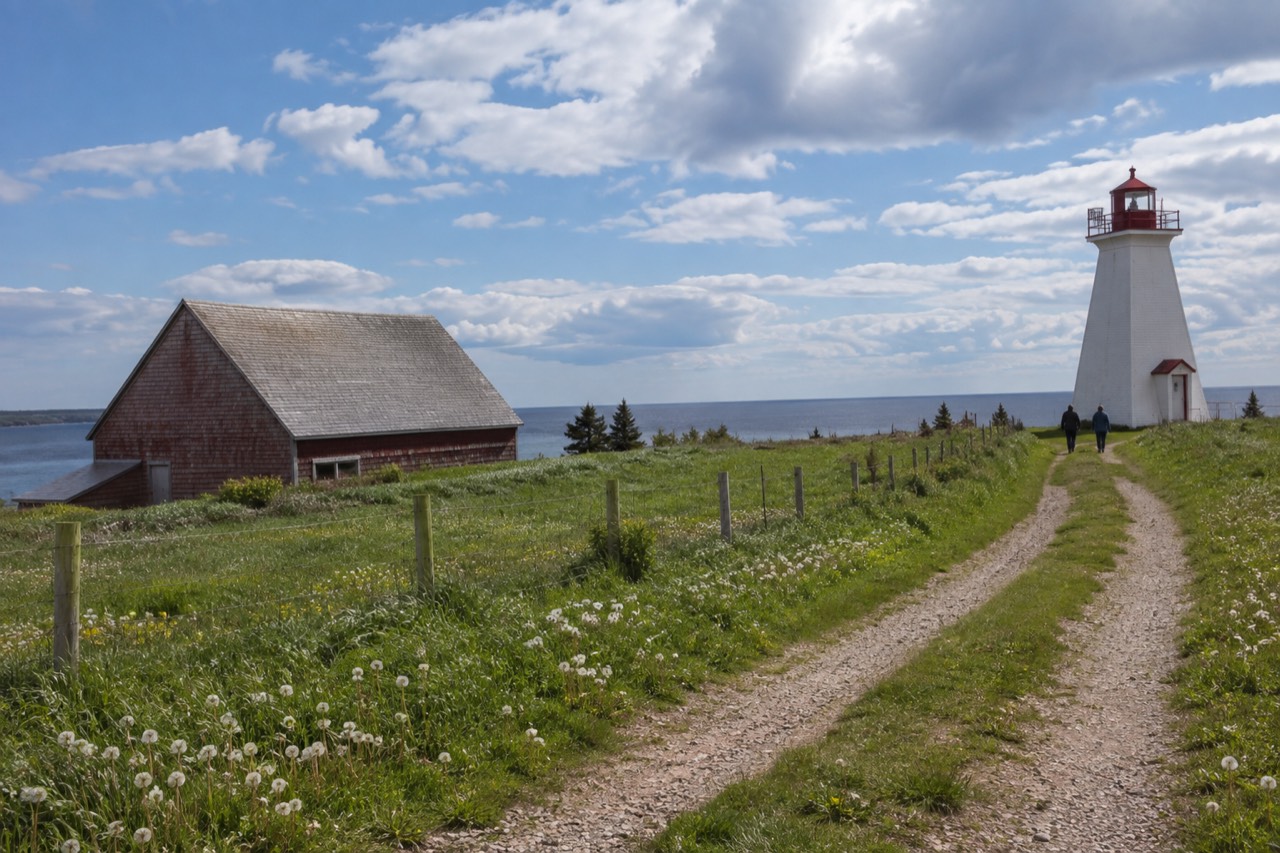
What Is The Most Scenic Part Of The Confederation Trail In PEI?
The honest answer is that no official source ranks the trail's sections, and the trail itself gives you a better way to choose. The main line runs 273 km from Tignish at the 0 km marker to Elmira at 273 km, with branch trails numbered off the junctions bringing the total to 449 km. The most scenic part for you depends on distance, direction and how much of the Island you want to cross.
The trail is PEI's portion of the Trans Canada Trail, built on the bed of the old railway line that once stitched the Island together. Because it follows a rail grade, the surface is rolled stone dust and the gradients never exceed 2 percent, which is why the same path works for a family half-day and a committed tip to tip rider. Tourism PEI publishes the full trail description, distances and the tip to tip marker system on its Confederation Trail page.
What makes a section "scenic" on this trail is really a question of what the rail bed passes through. The line was laid to serve farm communities and small harbours, so it tends to run behind the fields and through the woods rather than along the highway. Riders who want the classic Prince Edward Island landscape, red soil fields meeting the water, tend to build their ride around the parts of the Island they most want to see and let the trail connect them. That is also why picking a section is really picking a ride plan, and why many visitors end up booking a guided or shuttle-supported option rather than improvising.
There is a second reason the question has no single answer, and it is worth being direct about it. The Island is small, 224 kilometres end to end, and Tourism PEI's own framing is that you can drive from one end of the province to the other in about three to four hours, with any Island location within two hours of Charlottetown. On a trail that crosses a province of that size, no section is remote enough to be a once in a lifetime ride and none is so dull that it wastes your day. The differences between sections are real, but they are differences of character and convenience, not of a single crown jewel everyone agrees on.
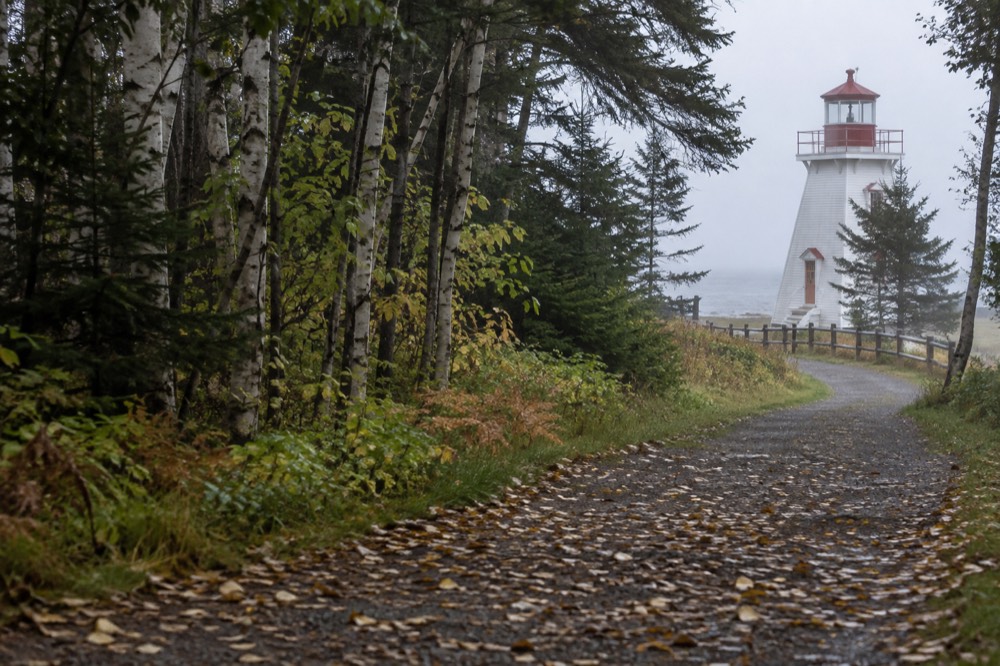
If you are comparing guided ways to see the Island rather than riding the full trail solo, these three options cover the range: a guided e-bike ride, a half-day fly fishing experience, and a self-guided audio walk through Charlottetown.
How The Trail Actually Works: Distances, Surface And Markers
The Confederation Trail totals 449 km including branches. The main tip to tip section measures 273 km from Tignish, marked 0 km, to Elmira, marked 273 km, and distances are posted west to east. Branch trails are numbered from their junctions on that main line. The surface is rolled stone dust throughout, and gradients never exceed 2 percent anywhere on the system.
Those numbers matter more than they first appear. A 2 percent maximum gradient is a railway engineering figure, and it means the trail never asks a rider for a serious climb, which is unusual among long-distance trails in Canada. The stone dust surface is firm when dry and ridable on any bike with reasonable tires, though it is not asphalt, so skinny road tires are the wrong tool. The west to east marker system makes navigation simple: you always know how far you are from Tignish, and the branch numbering tells you exactly where a side route leaves the main line.
| Trail fact | Figure |
|---|---|
| Total length including branches | 449 km |
| Main tip to tip section, Tignish to Elmira | 273 km |
| Marker system | West to east, Tignish at 0 km |
| Surface | Rolled stone dust |
| Maximum gradient | 2 percent |
| Trail role | PEI's portion of the Trans Canada Trail |
The practical takeaway is that you do not need to ride the whole thing to have a memorable day. Most visitors ride a slice: a morning between two communities, an afternoon out and back from a trailhead town, or a multi-day plan that uses the branch trails to reach places the main line skips. Because any Island location is within about two hours of Charlottetown, you can base yourself in the capital and reach a western or eastern trailhead without committing to a full crossing. Our Prince Edward Island Tours coverage is built around exactly that kind of day trip logic.
The rail bed history also explains why the trail feels the way it does. A railway could not afford steep grades or sharp curves, so the line was engineered to glide through the landscape rather than conquer it. That is why the trail rarely confronts you with a hill and why it so often runs along the back edges of farms, over old culverts and through cuttings where the trees close in. The scenery changes constantly at a gentle pace, which is exactly what makes a long ride on it pleasant rather than punishing.
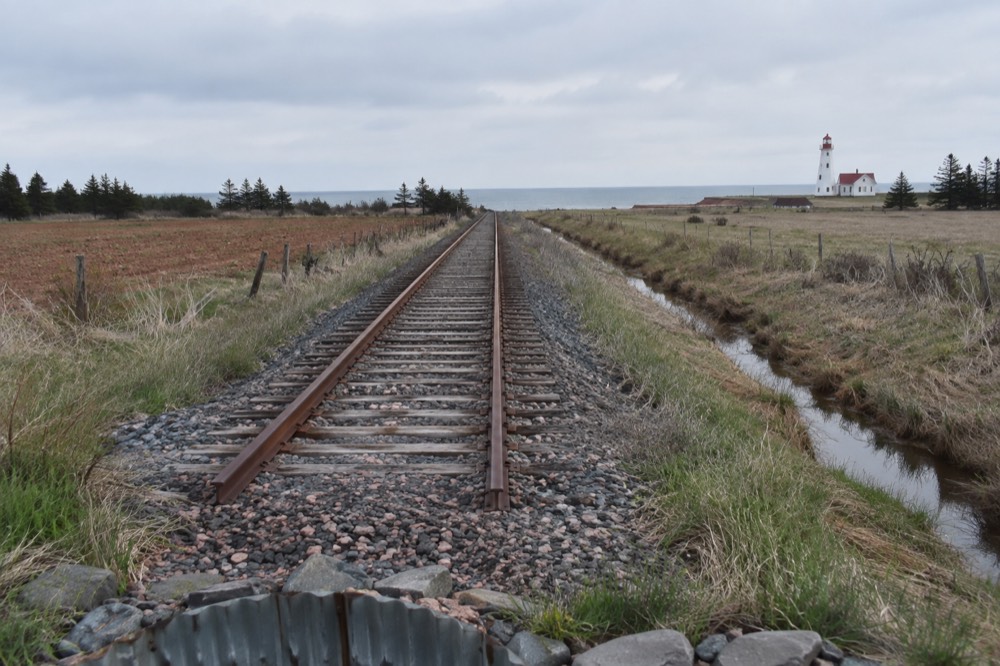
For riders who would rather have a guide set the route and supply the bikes, the e-bike option below covers Charlottetown's historic sights on two wheels.
Which Sections Suit Which Kind Of Rider
The trail divides naturally into three kinds of ride, and the right one depends on your legs and your time. The full 273 km main line from Tignish to Elmira is a multi-day project. A single numbered branch makes a good half-day out and back. A short slice based on one community is the realistic choice for most visitors, who have one day, not one week, to give it.
The main line is the ambition ride. Starting at Tignish on the Island's northwestern tip and finishing at Elmira in the east, it crosses the province end to end, and Tourism PEI's own framing is that the whole province can be driven in about three to four hours, which tells you the trail crossing is a journey of days rather than hours. Riders who take it on usually plan overnight stops in the towns the rail bed passes through and treat the ride as a tour of the Island rather than a single outing.
The branch trails are the overlooked middle option. They are numbered from their junctions on the main line, which makes them easy to plan around: pick a branch, ride it out and back, and you get a self-contained route with a known distance. Because the branches were built to serve communities the main line did not reach, they tend to be the quieter parts of the system, the stretches where you are more likely to meet a local walker than another tourist.
The community slice is what most people actually ride and enjoy. Pick a town, ride an hour in each direction, and turn around. The gradient rule means the return leg is never punishing, and the stone dust surface behaves the same in both directions. This is also the format where a guided ride adds the most value: a guide who knows the area picks the stretch with the best character for the day's weather and wind, which on an Island matters more than most visitors expect.
Wind deserves a paragraph of its own, because it is the single factor that most often decides whether a trail day feels scenic or gruelling. Prince Edward Island is surrounded by open water, and the prevailing winds can turn a flat rail bed into a slog in one direction and a glide in the other. Experienced riders plan their direction so the wind is behind them on the way home, and a local guide makes that call without you having to think about it. It costs nothing to check the forecast the evening before and reverse your plan if the wind says so.
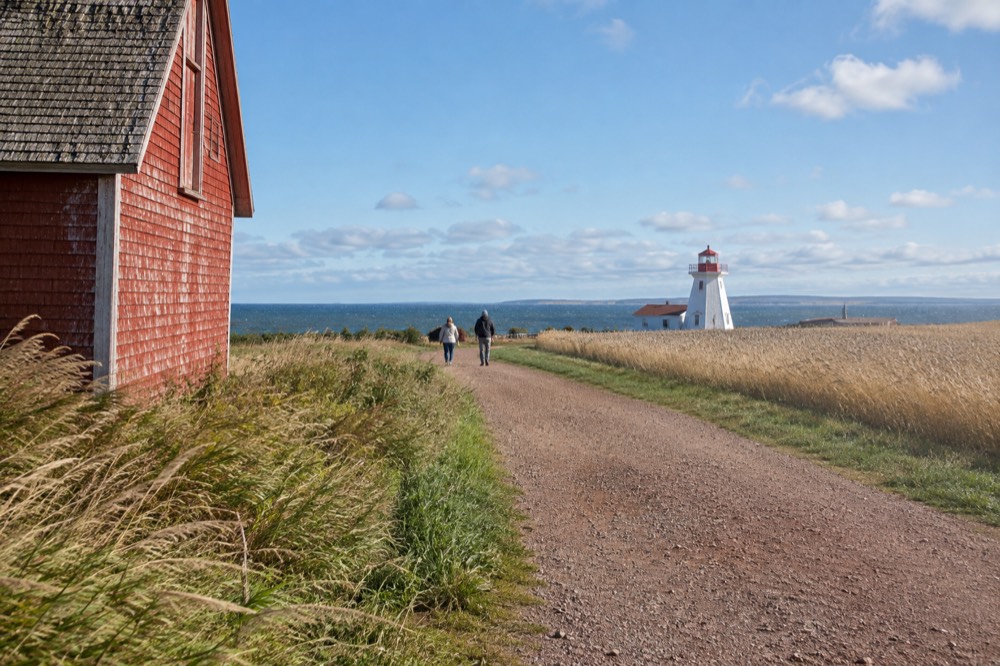
If a guided ride through Charlottetown's historic sights sounds like the right pace before you commit to a longer trail day, this is the tour to compare first.
When Can You Ride It, And What Are The E-Bike Rules?
Power-assisted bicycles are legal on the Confederation Trail only from 1 April to 30 November each year, and they must meet PEI specifications: a motor of 500 watts or less continuous output, a maximum assisted speed of 32 km/h on level ground, and a maximum weight of 120 kg including the battery. From 1 December to 31 March, the trail is leased for exclusive snowmobile use.
Those rules come from the Government of Prince Edward Island's own power-assisted bicycle regulations, and they are worth reading before you rent anything. A compliant e-bike is treated like a conventional bicycle wherever bikes are permitted on the trail, so riders on legal machines have full access during the riding season. The winter arrangement is equally firm: the PEI Snowmobile Association leases the trail from 1 December to 31 March, contingent on adequate snowfall, and takes over maintenance and grooming for those months, per the province's snowmobile trail information.
The seasonal pattern matters for planning. The riding window of April through November is generous, but the Island's tourism services concentrate in roughly May through October, when about 86 percent of annual non-resident visitor spending happens. Bike rental availability, shuttles and guided rides thin out at the edges of that window even while the trail itself remains open. If you are riding in late October or early November, confirm your support services before you commit to a route.
The e-bike weight and speed limits are not fine print; they define what you can legally rent and ride. A machine that assists beyond 32 km/h or weighs over the 120 kg cap including its battery is not permitted on the trail, and a rider on a non-compliant bike has no more right to the stone dust than a motorcyclist does. The practical effect is that the trail stays quiet, human-scaled and safe at any speed, which is a large part of its appeal for families and for riders who simply want to look at the scenery rather than race through it.
What Should You Bring, And How Should You Plan The Day?
Bring a bike with tires suited to stone dust, water, layers for wind, and a plan with a turnaround point. The trail has no motor traffic and gentle grades, but it also has long stretches without services, so decide your distance before you start rather than improvising halfway out. A town-to-town slice with a café at the far end is the most reliable format.
The layering advice is not generic. The port authority in Charlottetown tells cruise visitors to wear layers even in summer, and the same wind that makes the harbour cool makes an exposed rail cutting noticeably colder than a sheltered one. Riders in May, September and October should assume a temperature swing across a single ride and dress so they can shed or add a layer at the turnaround. Rain changes the stone dust surface too: it firms up rather than turning to mud, but a wet rail bed on a grey day is a different experience from the same path in sunshine, and it is worth checking the forecast before you choose your stretch.
Navigation on the trail is close to foolproof, which is worth saying plainly because it removes one common worry. The west to east kilometre markers mean you always know where you are relative to Tignish, and the branch numbering is consistent. There are no complicated junctions to misread and no chance of drifting onto a highway, because the trail is a closed corridor. For a visitor with no local knowledge, that simplicity is a genuine scenic asset: you can spend the whole ride looking at the fields instead of at a map.
For a longer ride, the overnight logistics are simple by design. The main line passes through the towns the railway used to serve, and those towns still have the accommodation, restaurants and bike-friendly attitude that grew up around the rail stop. Riders planning a multi-day crossing usually book a night in a community near each day's target distance and let the trail dictate the itinerary. That is the closest thing the Island has to a classic cycle-touring route, and the 2 percent gradient rule means the daily distances are achievable for any reasonably fit rider.
Is The Trail Worth Building A Whole PEI Day Around?
Yes, with one condition: match the ride to the season and to your support plan. The trail is free to ride, car-free by design, and crosses a province small enough that any trailhead is reachable in a day. The condition is that services, rentals and guided options cluster in the May to October window, so a shoulder-season ride needs more self-sufficiency than a summer one.
For many visitors the trail day becomes the highlight of the trip precisely because it is the one activity where the Island's scale works in your favour. You are never far from a café, a coastline or your starting point, and the rail bed keeps you off the roads entirely. It also pairs well with everything else on the Island: a morning ride, an afternoon at Green Gables Heritage Place or on the water, and an evening in Charlottetown is a full and realistic day. Our guide to cycling and bike tours on PEI covers the guided options in detail, and if you are weighing the whole idea of riding around the Island, the question of whether you can bike around PEI has its own answer.
The trail also earns its day against the Island's other big draws in a way that surprises people. Green Gables Heritage Place drew more than 58,000 visitors by late July 2025, up about 20 percent on the year before, and the national park beaches draw similar crowds in peak weeks. The Confederation Trail, by contrast, absorbs visitors across 449 km, so even in August you can find stretches where the only company is farmland and birdsong. If your PEI trip falls in the busiest weeks, the trail is the most reliable way to see the Island's landscape without seeing the Island's queues.
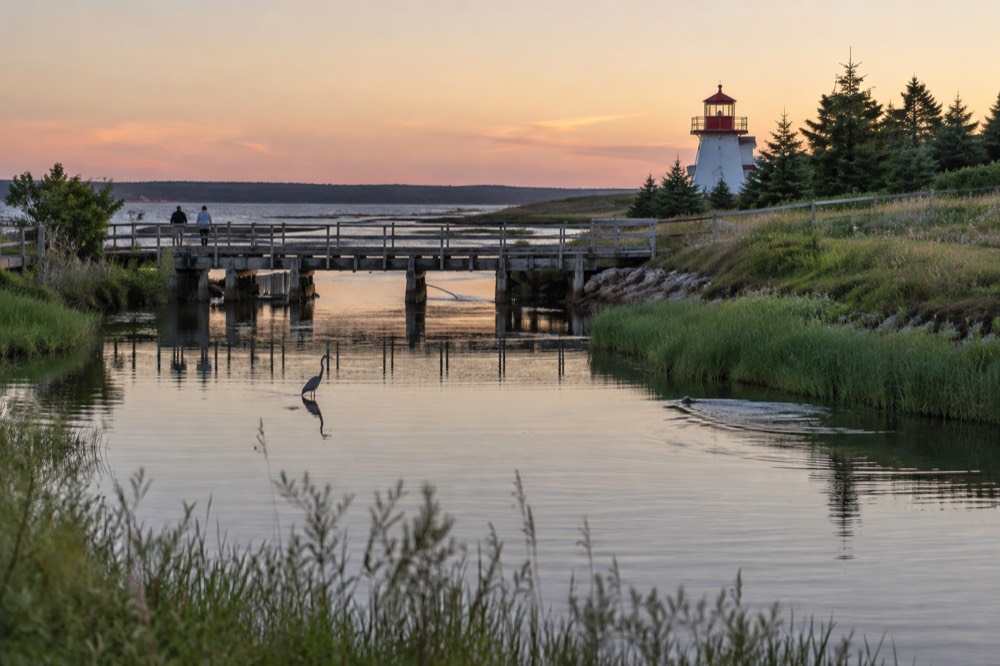
Not every visitor wants a full trail day, and that is a fair call. If your time in the province is short, a self-guided audio walk of Charlottetown costs $9.57 per person and runs 1 to 2 hours, rated 4.8 from 9 reviews, and it covers the capital's history at walking pace. It is not the trail, but it is the same idea, a car-free route through the Island's story, compressed into an afternoon.
However you slice the trail, the guided and self-guided options below are the ones worth comparing for a PEI visit built around active days: the e-bike history ride, the half-day fly fishing experience, and the Charlottetown audio walk.
Common Questions About The Confederation Trail
What Is The Most Scenic Part Of The Confederation Trail In PEI?
No official ranking of the trail's sections exists. The practical method is to choose by ride type: the 273 km Tignish to Elmira main line for a multi-day crossing, a numbered branch trail for a quiet half-day, or a community-based slice for a single morning. The trail's character, rolled stone dust, gradients never above 2 percent and a route behind the fields rather than along the highway, is consistent across all of them.
How long is the Confederation Trail?
The trail totals 449 km including branch trails. The main tip to tip section from Tignish to Elmira measures 273 km, with distances marked west to east from Tignish at 0 km and branch trails numbered from their junctions.
Can you ride an e-bike on the Confederation Trail?
Yes, from 1 April to 30 November each year, provided the bike meets PEI specifications: a motor of 500 watts or less continuous output, maximum assisted speed of 32 km/h on level ground, and a maximum weight of 120 kg including the battery. Outside that window, from 1 December to 31 March, the trail is leased for exclusive snowmobile use.
What is the trail surface like?
Rolled stone dust throughout, with gradients that never exceed 2 percent because the trail follows an abandoned railway bed. It suits most bikes with reasonable tires; very narrow road tires are a poor match for the surface.
When is the best time of year to ride it?
The trail is open to bikes from April through November, but rental shops, shuttles and guided rides concentrate in the May to October tourism season, which accounts for roughly 86 percent of annual non-resident visitor spending. Summer gives the fullest services; September and October give quieter paths with services still running.
Do you need a guide to ride the Confederation Trail?
No, the marker system and car-free surface make self-guided riding straightforward. A guide adds value for route selection, local knowledge and bike supply, and the Guided E-Bike Tour of Historic Sights, $78.18 per person for 2 to 3 hours and rated 4.8 from 16 reviews, is the option to compare if you want that support.